
Pacific Voices: Dialogue on Climate Crisis and Conflict Prevention in the Pacific
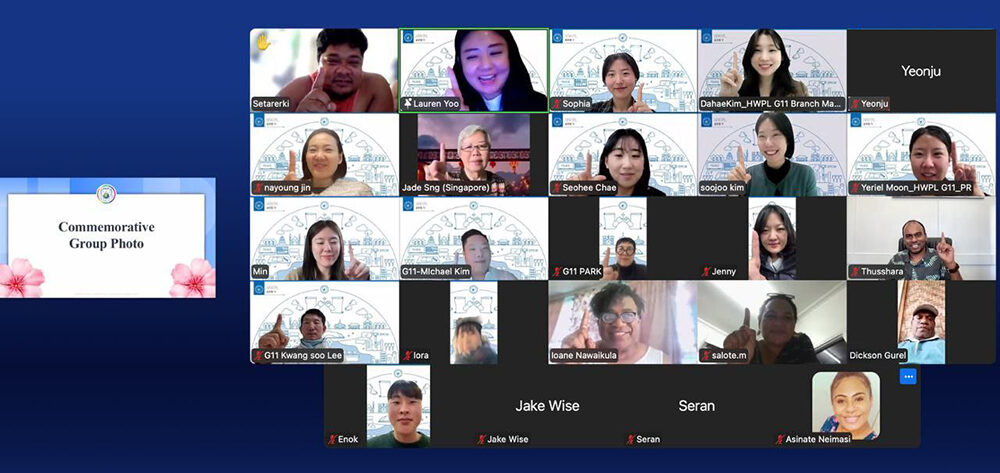
On January 31, HWPL Global Branch 11 hosted the online event “Pacific Voices,” bringing together participants to discuss the growing intersection between climate change and conflict risks in the Pacific region. The event gathered representatives from the education sector, civil society, religious communities, the media, and the public, with a focus on exploring collaborative responses to emerging challenges affecting Pacific societies, including Fiji.
Participants highlighted that the impacts of climate change are no longer limited to environmental concerns but are increasingly influencing social and political dynamics. In particular, discussions noted that climate pressures—when combined with issues such as resource distribution, migration, relocation of settlements, and land rights—can trigger new conflicts or intensify existing tensions within communities.
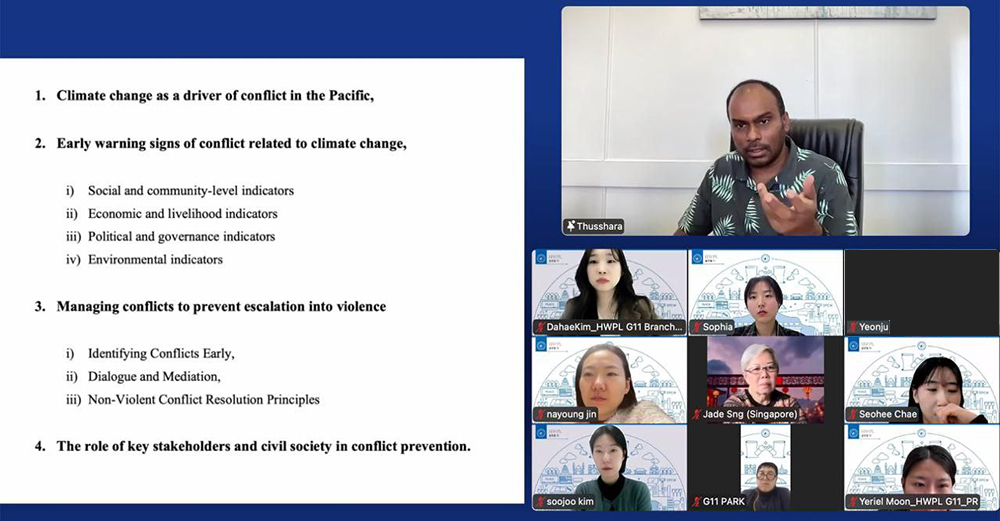
The keynote address was delivered by Justice Thushara Rajasinghe of the High Court of Fiji, who pointed out that many land and environmental legal frameworks in the region still reflect colonial-era systems and do not sufficiently address today’s climate realities. “If legal reforms fail to keep pace with climate realities, climate-related conflicts may intensify,” he cautioned.
Justice Rajasinghe also explained that rising sea levels, coastal erosion, and flooding are already reshaping settlements and traditional boundaries, contributing to a growing number of land disputes. In Pacific societies, land is closely tied not only to economic livelihoods but also to culture, history, and identity. As a result, climate-driven conflicts related to land issues can become particularly sensitive and complex.
He further noted that conflicts may arise if local communities feel excluded from decision-making processes related to adaptation, relocation, or resettlement, or if they perceive that resources are distributed unfairly. He warned that such tensions could become prolonged in rural and coastal areas where traditional land ownership systems intersect with climate pressures, potentially leading to intergenerational disputes.
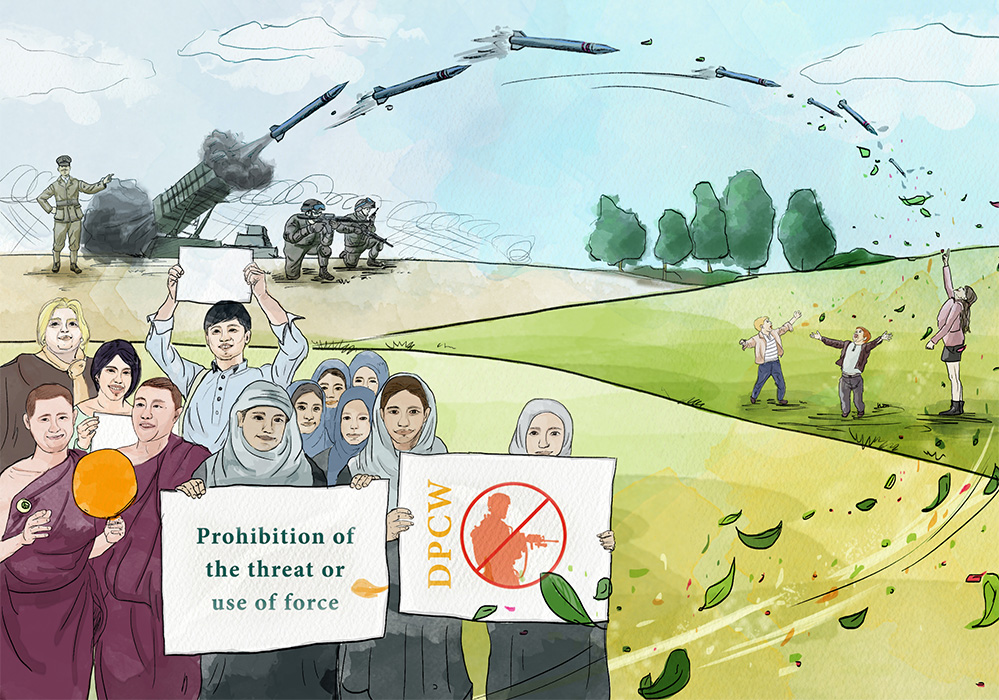
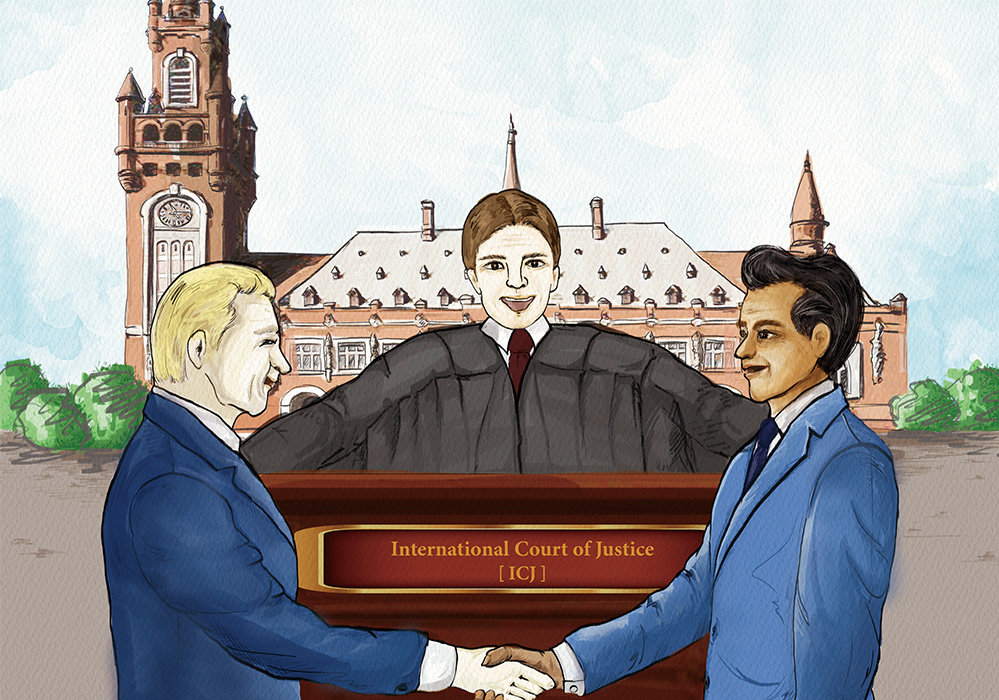
As a constructive approach, Justice Rajasinghe introduced the Declaration of Peace and Cessation of War (DPCW) as a framework for conflict resolution grounded in nonviolence and dialogue. He emphasized that climate-related disputes should be addressed through dialogue, mediation, and international cooperation rather than coercion. He also stressed the importance of updating legal and institutional systems in ways that reflect local cultural contexts.
Highlighting the importance of inclusive participation, he added that the roles of chiefs, elders, women, and youth must be recognized and respected in efforts to resolve conflicts and strengthen social cohesion. Participants shared the view that the DPCW could contribute to conflict prevention and long-term peacebuilding in the Pacific region.
Civil society participants also shared their perspectives following the discussion. Setaraki Lotomau Molongo, head of the Southern division of the Youth Assembly of Fiji, stated that he actively reviewed related materials to gain a clear understanding of the DPCW support-signature process. He emphasized that peace initiatives are directly linked to the future of young people and highlighted the important role youth can play in spreading messages of peace through digital platforms.
Dixon Gurel, head of the PNG Hela Lions Club, remarked that the seminar provided a meaningful opportunity to deepen his understanding of climate change. He emphasized that peacebuilding is a “foundational task” in addressing multiple crises, including climate change and challenges faced by local communities. Referring to the DPCW support-signature progress introduced during the event, he also noted the strengthening of international solidarity and cooperation.
The event concluded with a shared recognition of the importance of peace leadership and collaborative governance in addressing the climate crisis as a common global challenge. HWPL reaffirmed its commitment to continuing discussions on global issues such as climate change from a peace perspective and expanding cooperation with local communities and neighboring countries.