
[Afghanistan Special Feature] Peace Grows in the Land Where Education Has Stopped
Stories of HWPL Peace Education Teachers and Students Creating Change in Afghanistan
– Girls deprived of educational opportunities beyond the 6th grade
– Afghan educators become peace teachers, leading the way in education on the values of peace
– Peace education is creating positive change for future generations
A Path to Learning Reopened Where Education Has Stopped
Afghanistan’s education system is facing one of the most severe education crises in the world today. In particular, restrictions on girls’ access to education beyond the sixth grade have excluded millions of girls from schools and universities. UNICEF projected that by the end of 2025, more than 2.2 million adolescent girls will have been excluded from education. UNESCO describes Afghanistan as the only country in the world where girls and women are systematically denied access to secondary and higher education today.
The disruption of education goes beyond academic loss. When the path to education is blocked, students simultaneously experience uncertainty about the future, psychological distress, and social isolation. Even in such circumstances, some seek to continue learning. One of them is the Afghanistan Girls International Online Educational, Academic, Research and Media Complex (Afghan Girls). This institution provides free online education to girls who are physically unable to go to a classroom, and it was established as a comprehensive platform encompassing an online university, schools, an academy, a research center, and a media network — founded with the determination to “act rather than wait” even amid difficult realities.
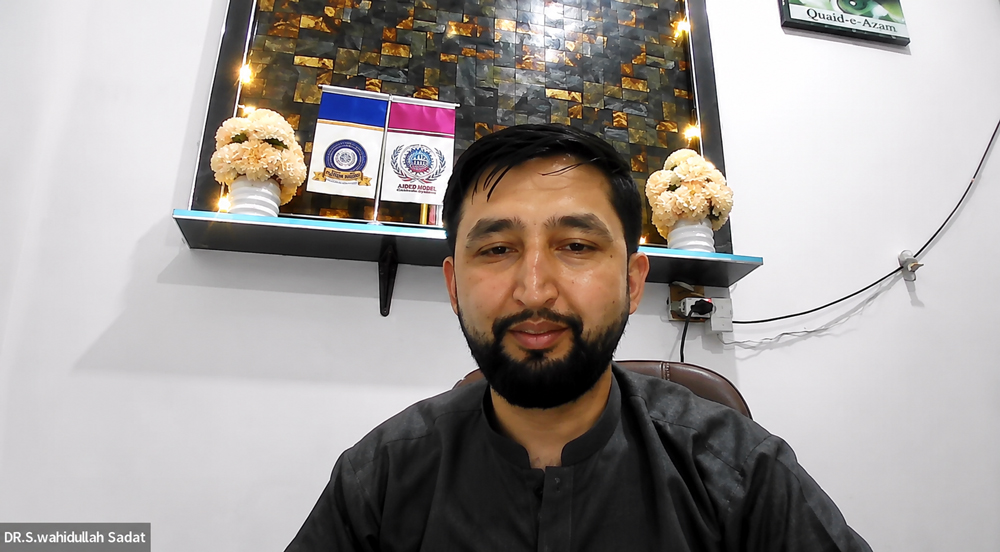
Sayed Wahidullah Sadat, Founder and President of Afghanistan Girls International Online Educational, Academic, Research and Media Complex
President Sadat, drawing on his experience in education, healthcare, and social development, has made it his mission to provide quality education to Afghan girls who have been excluded from learning. He described the current educational situation in Afghanistan as “very concerning,” while emphasizing that online platforms and community-centered educational activities can serve as alternative pathways to education, even in difficult environments.
Why Did Afghan Educators Choose Peace Educator Training?
Educators from 12 educational institutions across Afghanistan, including Afghan Girls and Mukhtar School, participated in HWPL’s Peace Educator Training (PET). The reason they chose PET was not simply to learn a new educational program. It was because they wanted to help students develop the inner strength to protect themselves, respect others, and live peacefully within their communities, even amid social instability.
“We believe that education is not simply about knowledge, but about building character and values. In a society facing instability and tension, peace education is essential.”
— Sayed Wahidullah Sadat, Founder and President of Afghan Girls
Farzane Akrami, a teacher at Afghan Girls, has witnessed firsthand the remarkable resilience students have developed through peace education despite the loss of educational opportunities. For her, the online platform is not merely a teaching tool but a lifeline connecting students to education and hope. Now serving as an HWPL peace educator, she said she hopes to teach students about inner peace and global citizenship, adding that the lessons focused on the value of life and coexistence were particularly meaningful to her.
Mukhtar School, located in Mazar-i-Sharif, became the first school in Afghanistan to implement HWPL peace education in 2020 and has continued the program ever since. Mohammad Nadir Azedpana, principal of Mukhtar School and an HWPL Goodwill Ambassador, has long implemented peace education into the school curriculum.
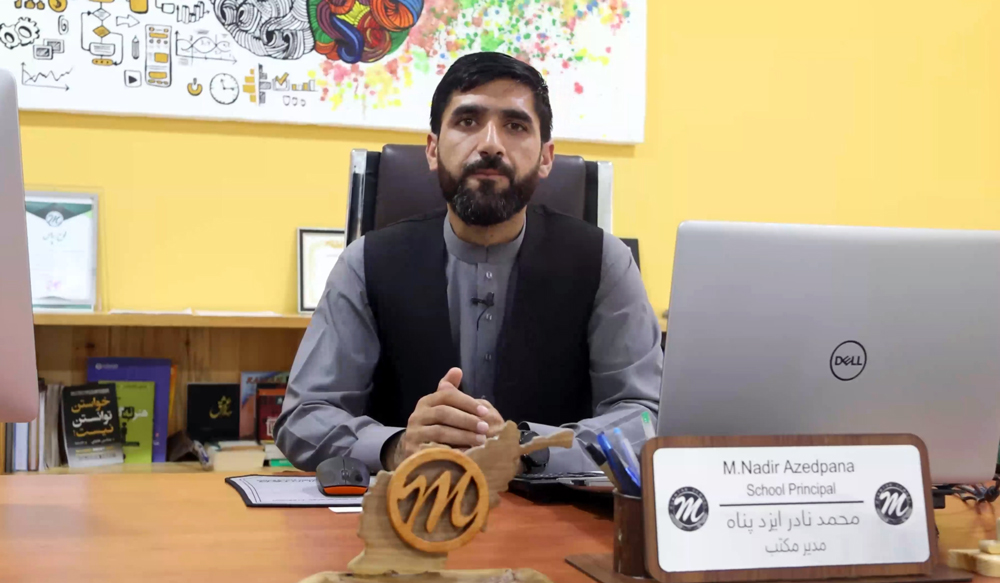
Mohammad Nadir Azedpana, Principal of Mukhtar School
“We were seeking effective ways to create a more peaceful environment for our students. After reviewing the HWPL peace education program, we recognized the program’s sincere commitment to promoting a culture of peace, which encouraged us to become part of the initiative.”
— Mohammad Nadir Azedpana, Principal of Mukhtar School
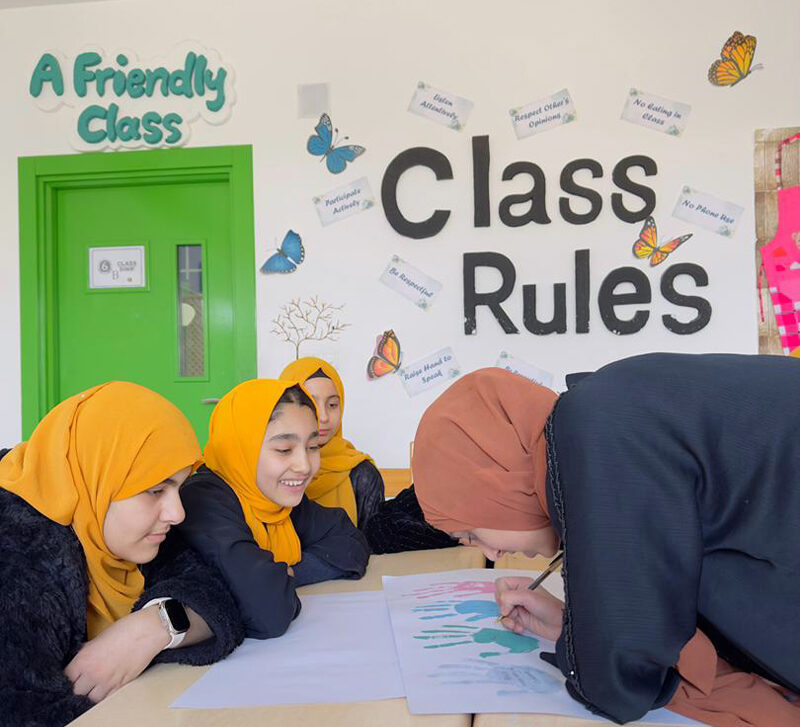
Students of Mukhtar School during a class.
Changes Began in the Classroom
Once peace education began, the first signs of change appeared in students’ attitudes and the overall classroom atmosphere. President Sadat explained that students became more actively engaged in class, while the classroom atmosphere grew calmer and more respectful. Students who had previously been highly sensitive to stress or emotionally vulnerable began to show greater composure and responsibility after participating in peace education.
Similar changes were also observed at Mukhtar School. Principal Azedpana shared that both students and teachers responded very positively to the peace education program. Students began showing greater respect toward one another, while their conflict-resolution skills and capacity for empathy improved noticeably.
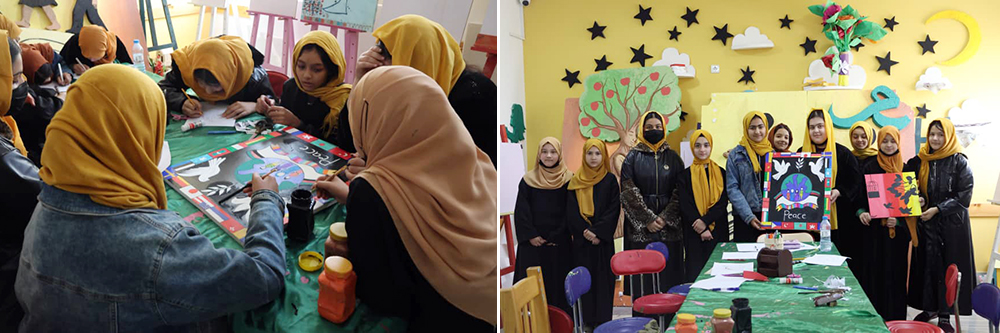
Students of Mukhtar School during a class.
“In contexts like Afghanistan, where many students are exposed to ongoing stress and uncertainty, peace education helps young people develop resilience and hope. We have also seen that it encourages students to make constructive decisions and build healthy relationships.”
— Mohammad Nadir Azedpana, Principal of Mukhtar School
“The most significant change was in the students’ mindset and perspectives. Before participating in peace education, many believed they had to look after only themselves rather than support one another. However, through various activities and discussions, they began to develop the values of peace, mutual acceptance, kindness, patience, and forgiveness.”
— Hanifa Hashemi, Teacher at Mukhtar School
The change in one student that Teacher Farzane observed makes the meaning of peace education even clearer. A female student had been feeling deep despair due to the restrictions on school education. However, as she participated in peace education, she regained her motivation to learn, and she is now leading conversations that encourage and support her peers.
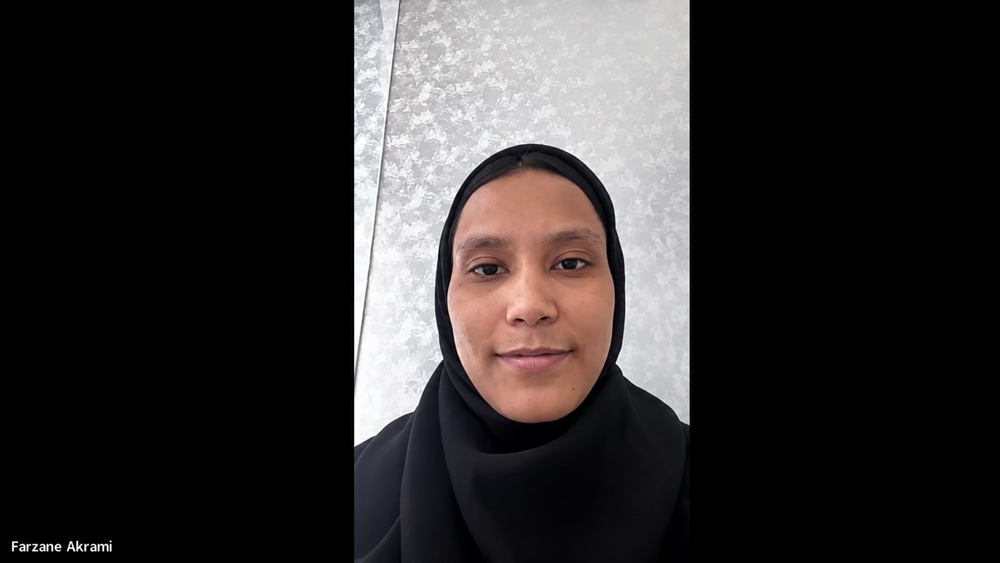
Farzane Akrami, Teacher of Afghanistan Girls International Online Educational, Academic, Research and Media Complex
“Peace education helps students overcome frustration and develop values based on empathy rather than resentment. In an unstable social environment, peace education is serving as an emotional anchor for students.”
— Farzane Akrami, Teacher at Afghan Girls
These changes extended beyond the classroom atmosphere itself. Students began to change the way they viewed one another. Rather than responding to differing opinions with hostility, they increasingly saw them as opportunities for deeper understanding and growth. When conflicts arose, they also became more willing to seek resolution through dialogue and empathy rather than reacting impulsively.
What Students Say About Peace: “Peace Is No Longer Just a Theory”
The student representative of Afghan Girls is studying economics and management. For her, school and university are not simply places to earn a degree, but spaces where students learn how to think, solve problems, and contribute to a better future. University, in particular, has also become a symbol of hope for her.
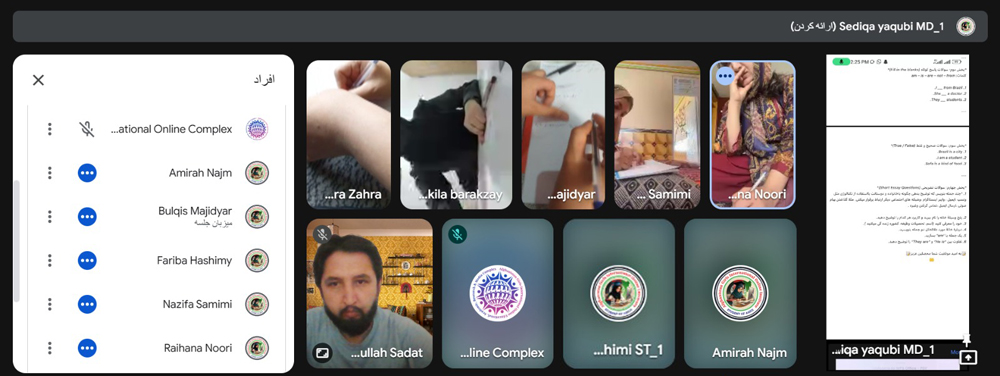
The student representative expressed her will toward learning, saying that knowledge is power. At the same time, she honestly conveyed the realities the students face. She noted that multiple difficulties — security issues, poverty, limited resources, gender discrimination, interruption of education, lack of digital tools, and uncertainty about the future — are causing great stress to students.
“I used to think that peace simply meant the absence of war or conflict. However, after participating in peace education, I learned that true peace begins within ourselves and starts with changing the way we think. I also came to understand peace as being like the harmony found in nature, where everything coexists beautifully.”
— Student Representative of Afghan Girls
For the student representative, peace is no longer a distant ideal. Although students in online classes have never met in person, mutual respect and support are alive even within the online classroom. Even in an online environment, students are learning to encourage one another, respect cultural differences, and work together toward shared goals.
The student representative explains that many of Afghanistan’s challenges stem from a lack of awareness and limited communication skills. For this reason, the “change in mindset” encouraged through the HWPL peace education curriculum is especially important. She believes that when young people begin to see differences not as sources of hostility but as opportunities for growth, Afghanistan’s future can gradually change.
‘Peace Education’: Seeds of Change for Afghanistan’s Future
What many educators in Afghanistan identify as the core of peace education is a “change in mindset.” Planting seeds of peace in young people means preparing a generation that chooses dialogue over violence, and they believe this is the path toward addressing Afghanistan’s long-term challenges.
“HWPL peace education addresses the root causes of conflict by focusing on the human mind and way of thinking. By planting seeds of peace in young people, we help prepare a generation that chooses dialogue over violence. I believe this is one of the most important paths toward long-term social change.”
— Farzane Akrami, Teacher at Afghan Girls
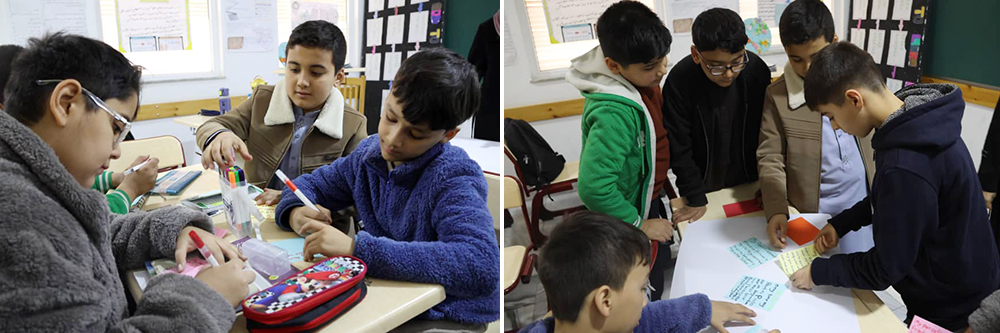
Students of Mukhtar School during a class.
Principal Azedpana said that it is necessary to change the mindset of the current generation and spread the spirit of peace and mutual understanding. Mukhtar School has already been continuing peace education since 2020, making change one step at a time. President Sadat also emphasized that peace education starts from the individual and spreads to society, and that when youth learn to resolve conflicts through dialogue, violence decreases and a culture of peace can be built.
Afghan Girls aims to expand its educational programs and further integrate peace education into its curriculum. Farzane said she also hopes to incorporate the values of peace into every subject she teaches. Her wish is for every girl participating in the online classes to become an “ambassador of peace” and help rebuild Afghanistan, beginning from the hearts of its students.
The student representative’s dream reflects the same vision. She hopes to become someone who does not lose her humanity or sense of ethics even in the most difficult circumstances, and who can show future generations that it is still possible to dream despite limitations.
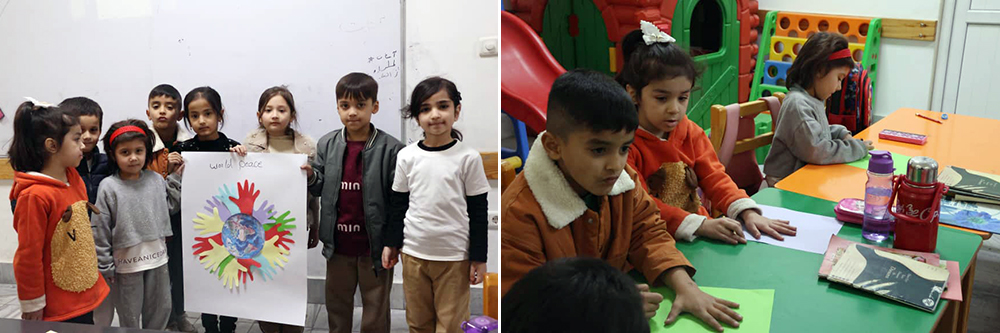
Students of Mukhtar School during a class.
Peace education in Afghanistan may still be in its early stages. But when one teacher teaches peace, one student embraces its values, and a classroom begins to nurture a culture of respect and dialogue, change has already begun.
“Peace education is an investment in long-term social stability. Even small efforts in the classroom can create meaningful change over time. If we integrate peace values into everyday lessons, we can build a generation that chooses understanding over conflict, and cooperation over division.”
— Mohammad Nadir Azedpana, Principal of Mukhtar School
“Peace is a skill that must be taught. We cannot wait for the world to change on its own. We must empower students to become the change the world urgently needs.
— Farzane Akrami, Teacher at Afghan Girls
“We must not forget that beyond borders and race, we are all human beings. Let us begin with small actions — respecting one another and supporting education. If we stand together, peace will no longer remain a dream, but become a reality we build together.”
— Student Representative of Afghan Girls
Afghanistan’s future may not change overnight. But where education continues, there is hope, and where students learn the values of peace, there is the possibility for change. Believing in that possibility, HWPL Peace Education continues to plant seeds of peace alongside teachers and students across Afghanistan.
Sources and References
[1] UNICEF, “Statement by UNICEF Executive Director Catherine Russell on the denial of education for adolescent girls in Afghanistan,” 17 September 2025. https://www.unicef.org/press-releases/statement-unicef-executive-director-catherine-russell-denial-education-adolescent[2] UNESCO & UNICEF, “Afghanistan Education Situation Report 2025,” 2025.[3] UNESCO, “Afghanistan: Four years on, 2.2 million girls still banned from school,” 19 August 2025.[4] UNICEF Afghanistan, “Afghanistan’s Education System Facing Deepening Crisis for Both Girls and Boys,” 8 October 2025.[5~8] Interview with Dr. Sayed Wahidullah Sadat / Farzane Akrami / Student representative / Mohammad Nadir Azedpana (Afghan Girls Online Complex, Mukhtar School)[9] HWPL Peace Education textbook series, “The Road to Peace” (Lessons 1, 3, 4, 7, 8, 10, 12), project reference materials.※ This article was drafted based on the publicly available sources above, together with original interview materials from Afghan educators and students provided by HWPL’s Peace Education Department.