
[Zambia Special Feature] From Learning Peace to Living Peace: The Story of the Peace Culture Center Rooted in Zambia’s Public Education
Zambia, known as the “Land of Peace,” is located in the heart of the African continent. However, contrary to its name, inside school walls many children face realities of bullying, violence, child marriage, and dropping out of school. In response, HWPL and Zambian education officials established the “Peace Culture Center” as one of the school clubs to provide peace education to students.
Starting at Yotam Muleya Secondary School and spreading to New-Ngombe Primary School and Chazanga Combined School, this peace education program is transforming students’ mindsets, awakening teachers’ sense of educational mission, and expanding across the Zambian public education system.
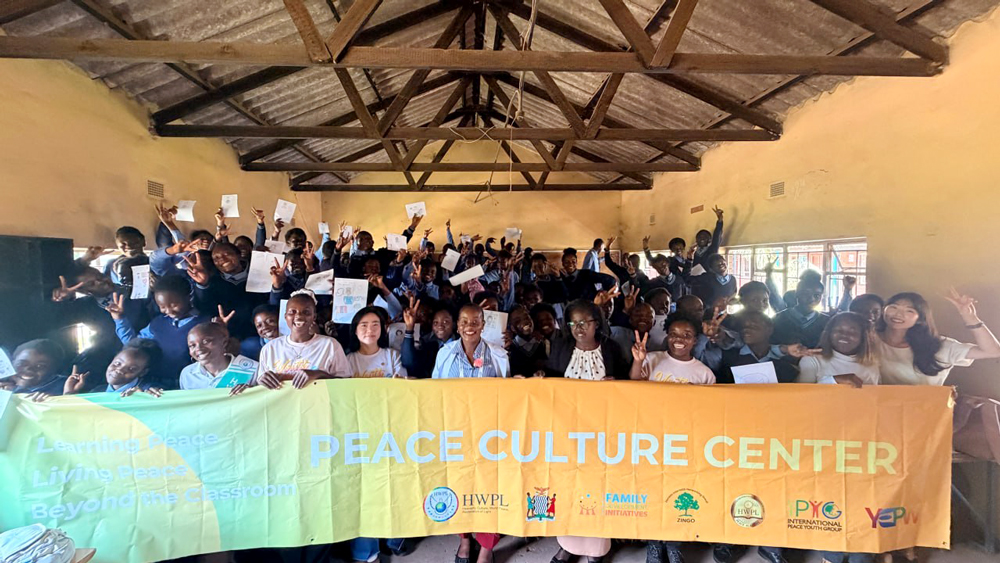
Launch ceremony of the Peace Culture Center held at Yotam Muleya Secondary School
The Beginning of the Peace Education Club ‘Peace Culture Center’
According to surveys by UNICEF and international relief organizations, approximately 65% of Zambian youth (aged 13–15) have experienced school bullying and violence, and many female students drop out of school due to early marriage and teenage pregnancy. In classrooms where conflict and emotional wounds repeated rather than mutual understanding, teachers including Sevelian Ngoma, Headteacher of Yotam Muleya Secondary School, sought practical educational alternatives to bring real change to their schools.
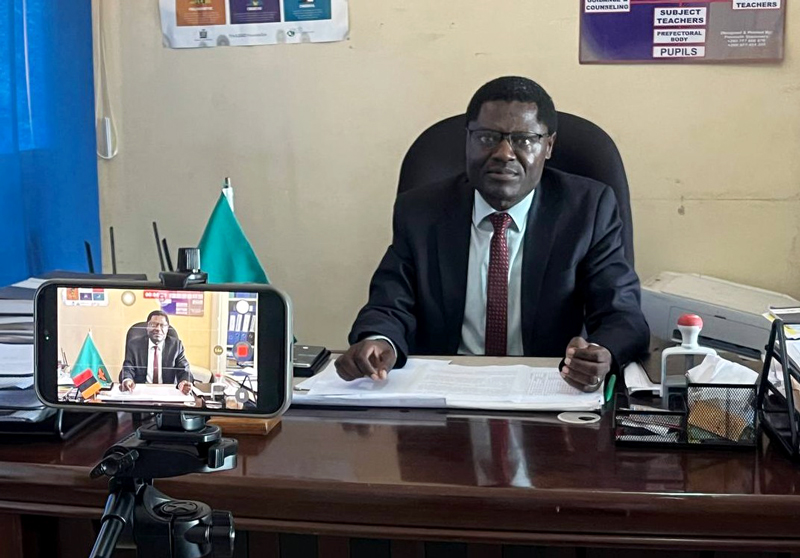
“We needed a structured way to reduce conflicts in our school, strengthen respect, and help students develop positive values and life skills. This was our main basis for our belief.”
— Sevelian Ngoma, Yotam Muleya Secondary School, Headteacher
Rather than introducing a new system, Zambian educators decided to utilize existing school club activities, which were already familiar to students, as venues for peace education. HWPL and Zambian educators envisioned a new educational model called the ‘Peace Culture Center’—a club where students learn and practice the values of peace every week.
Educational leaders and teachers in the field, including Judith Siakalima Muzona, Lusaka District Education Standard Officer (DESO), participated in HWPL’s Peace Educator Training (PET) and learned the values of peace through HWPL peace textbooks. Through this process, educators realized that the peace children truly need is not merely “the absence of fighting,” but “an attitude of recognizing each other’s inherent dignity.”
Teachers who completed the training returned to their respective schools and reopened existing clubs as Peace Culture Centers. These serve as educational spaces and shelters of hope for children. Teachers research age-appropriate lesson plans and conduct interactive sessions, while students experience peace values and learn how to resolve conflicts through dialogue and communication.
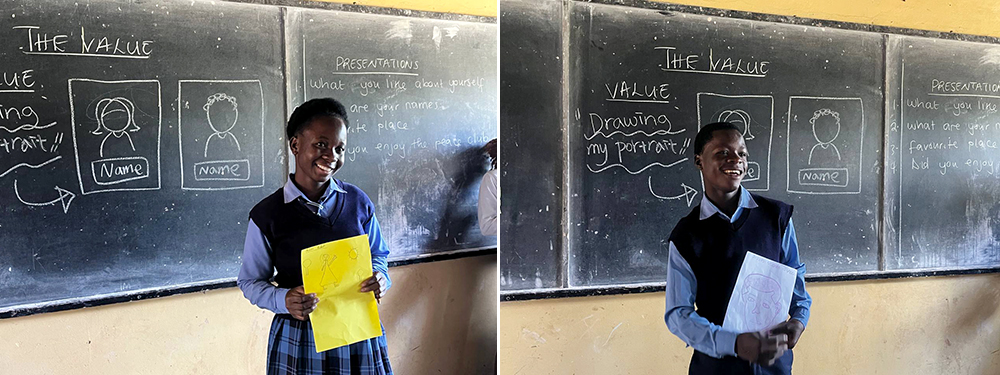
A student presenting during a self-portrait and self-introduction activity, discovering self-esteem and the value of life
The Peace Culture Center’s peace education club sessions are structured into a five-stage curriculum that originates in the discovery of individual worth, progresses through responsible decision-making, the building of peaceful relationships, and practical action, and advances toward law-abiding peace citizenship. Each week, educators personally design interactive instructional methodologies aimed at understanding and nurturing the minds of their students.
5-Step Peace Education Club Curriculum
- Step 1: Discovering self-esteem and the value of life through drawing self-portraits and sharing self-introductions.
- Step 2: Making responsible choices to protect one’s future through drug prevention education and creating Dream Walls and posters.
- Step 3: Cultivating a peaceful mind filled with consideration and respect through reflective journal writing, role-playing, and peace pledges.
- Step 4: Exploring ways to sustain peace and pass it on to future generations through practical actions such as volunteer projects and community campaigns.
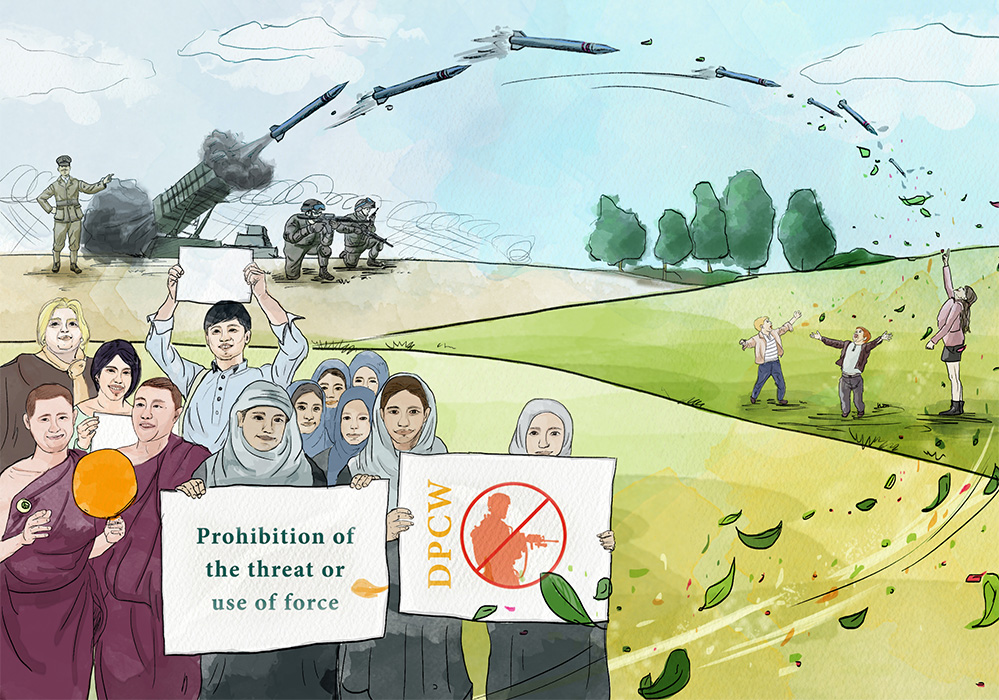
- Step 5: Sharing commitments as peace citizens by exploring the importance of law-abiding citizenship and the Declaration of Peace and Cessation of War (DPCW).
Through these step-by-step lessons, the program successfully completes a virtuous educational cycle flowing from ‘Value Discovery → Choice → Relationships → Action → Peace Culture Completion.’
Yotam Muleya Secondary School Bears First Fruits of Change Through Peace Education
The Peace Culture Center first launched at Yotam Muleya Secondary School in Emmasdale, Lusaka. On March 18, HWPL and Yotam Muleya Secondary School co-hosted the “Peace Culture Center Launching Ceremony.” A total of 2,064 participants attended, including 55 key government officials such as Ian Miyoba (Principal Education Officer, Ministry of Education), Judith Siakalima Muzona (Lusaka District Education Standard Officer), and the Vice Director of Religious Affairs under the Office of the Vice President, as well as the Headteacher and faculty of Yotam Muleya Secondary School, representative school principals from across Lusaka, and over 2,000 students.
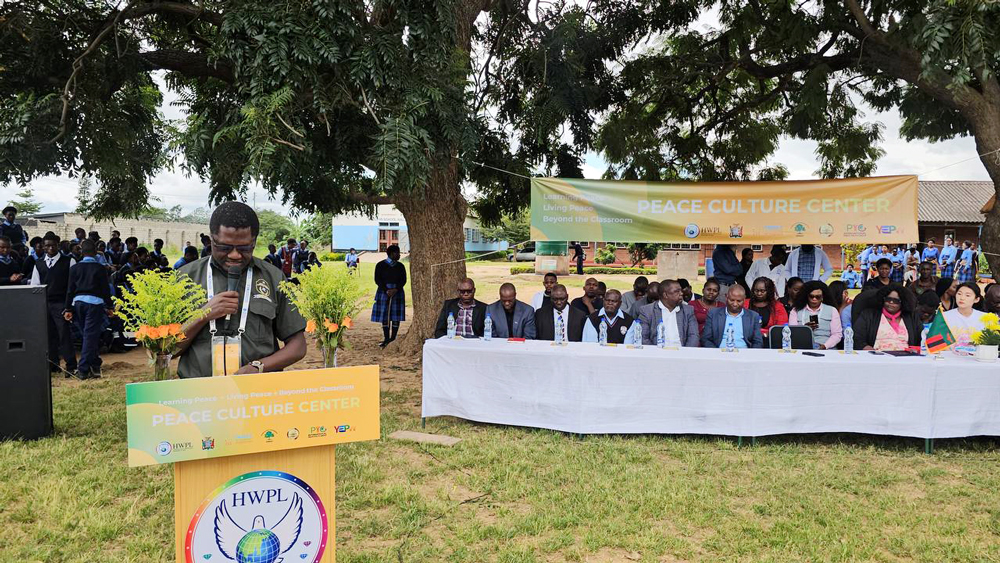
The Head Teacher of Yotam Muleya Secondary School presenting the vision for club-centered peace education at the Peace Culture Center launch ceremony
Under the slogan “Peace Learned, Peace Lived, Peace Spreading Beyond the Classroom,” the launching ceremony aimed to ensure the right to education not only for enrolled students but also for out-of-school youth in educational blind spots. National media outlets including ZNBC (Zambia National Broadcasting Corporation) and Millennium TV actively covered the event.
“The launch of the Peace Culture Centre was truly impressive and a huge success. It’s so encouraging to see how this initiative can spread the values of peace throughout our schools and communities. I really look forward to seeing how this project grows moving forward.”
— Ian Miyoba, Ministry of Education, Principal Education Officer
“We need this program in our schools. It was very colourful. It was well organized. This project nicely fits in the competence-based curriculum on National Values and Principles. The project has come at the right time. Peace is a value which every Zambian citizen should have and also demonstrate through respect for others. It fits on well on ‘One Zambia, One Nation and One People’”
— Judith Siakalima Muzona, Lusaka District Education Standard Officer (DESO)
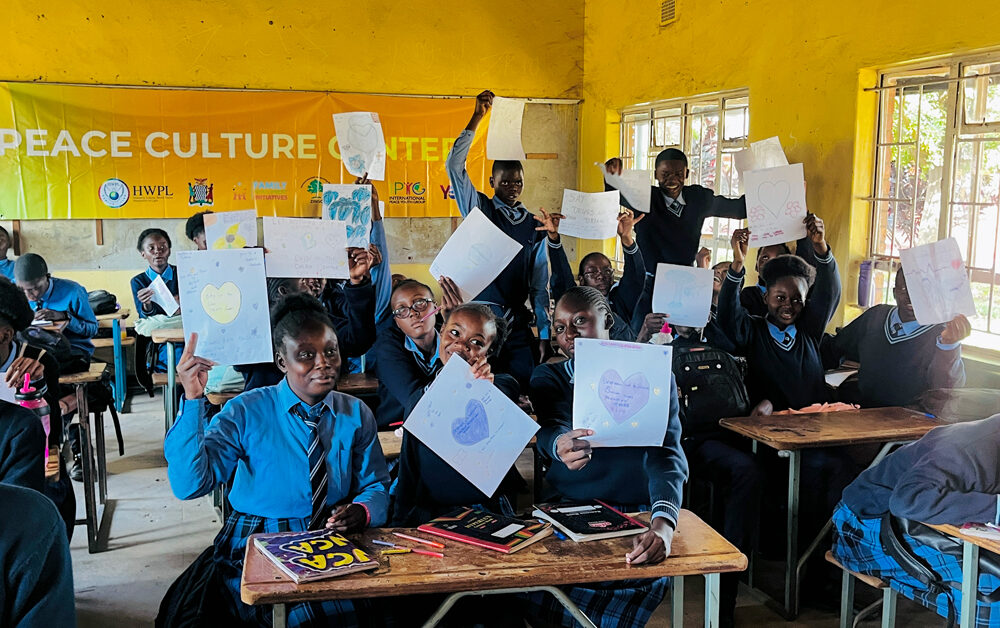
Following the ceremony, from March to June, peace education classes were conducted at Yotam Muleya Secondary School focusing on themes such as “Discovering My Value,” “Drug Prevention & Protecting Dreams,” “Peace Within Me,” and “Conflict Resolution & Consideration.” Each session gathered 60 to 110 students and teachers.
Joseph Ngoma, a student who participated in the training, honestly expressed his feelings, saying, “Although I am short, I am proud of myself just the way I am, and I gained even greater confidence through this time.”
Student Charity Zulu also shared, “I learned how to value myself and how to say ‘no’ to drugs. Through the Peace Culture Center, I now know how to protect myself,” demonstrating how peace education has become a strong shield protecting her life.
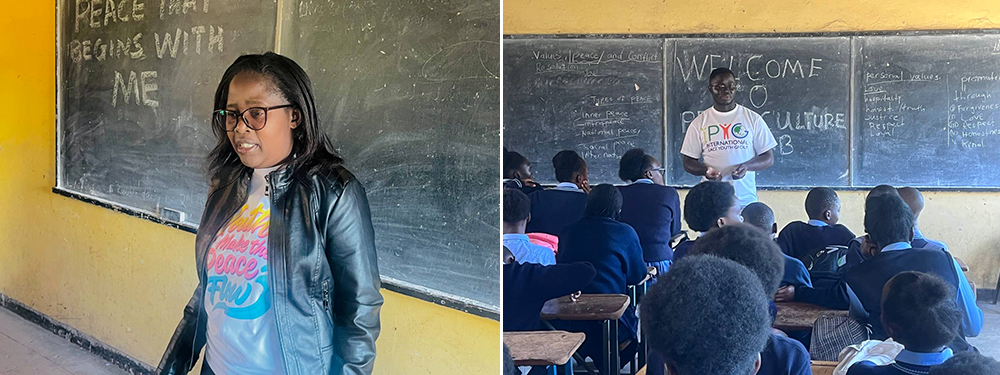
Teachers Sodayi Tazwivinga and Raphael Nkhoma
Teachers Sodayi Tazwivinga and Raphael Nkhoma also expressed that they were deeply moved by the students’ genuine transformation. Sevelian Ngoma, Headteacher of Yotam Muleya Secondary School, evaluated that since the operation of the Peace Culture Center, students’ sense of discipline, conflict resolution skills, and mutual respect have improved, bringing an even greater sense of peace to the entire school.
“After implementing peace education through the Peace Culture Center, students’ sense of discipline improved noticeably, their conflict resolution skills and mutual respect grew, and the whole school became much more peaceful. The program was extremely successful and left a deep impact. It created a beneficial and positive school culture for both students and staff.”
— Sevelian Ngoma, Headteacher, Yotam Muleya Secondary School
The achievements at Yotam Muleya Secondary School are serving as a foundation for sustainable peace education to spread across Zambia.
Amid Conflict and Risk, Recognizing the Need for Character Education
The warmth of peace education that began at Yotam Muleya Secondary School has spread to New-Ngombe Primary School and Chazanga Combined School. Students at both schools were constantly challenged in their daily lives by conflict, feelings of alienation, drug exposure, peer pressure, and the risk of dropping out—situations that continuously demanded responsible decision-making. In response, schools and educational stakeholders shared a strong consensus on the need for character and peace education. They recognized the need to move beyond traditional preventive measures that simply emphasize rules and behavioral standards, toward empowering children to build self-esteem, form their own identities, and make positive choices on their own.
To achieve this, the two schools newly established Peace Culture Centers as peace education clubs, transforming the school environment beyond a simple place of learning into a safe haven where students respect one another and resolve conflicts peacefully.
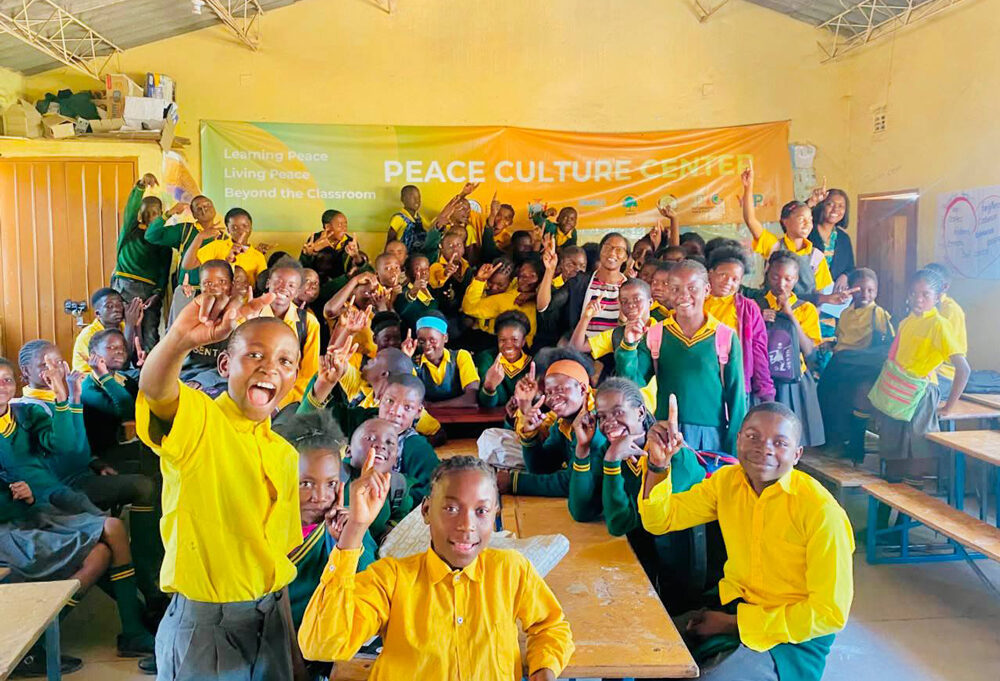
Interactive class activity at New-Ngombe Primary School
New-Ngombe Primary School Students, Learn to Value Themselves
Through the Peace Culture Center, students at New-Ngombe Primary School realized their own self-worth and began forming positive relationships with those around them. Through activities such as the ‘Gratitude Tree’ and ‘Peace Tree,’ students learned how to practice the values of gratitude, kindness, forgiveness, and respect in their daily lives.
Student Agnes expressed her confidence, saying, “It was a great opportunity to learn how important my self-worth is.” Furthermore, student Purity demonstrated a deeper sense of empathy, sharing, “I learned that if a friend is being bullied due to illness or disability, I should draw closer, encourage them, and give them courage so they don’t lose hope.”
Student Leticia Kaoma, who confessed to having bullied peers in the past, shared a touching reflection, saying, “As I learned various values in the peace education club, I resolved to become a better person. Now, I want to be someone who spreads peace at school.”
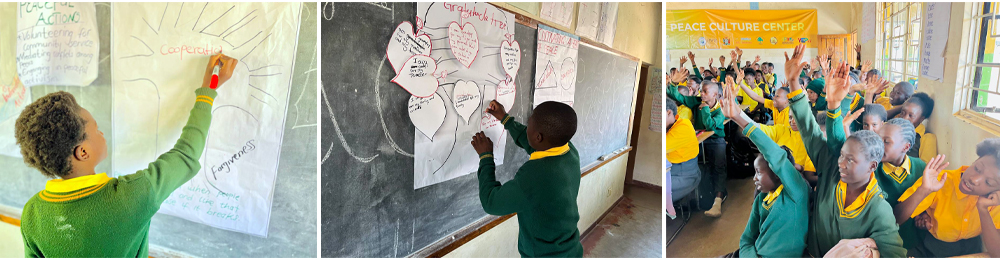
Interactive class activity at New-Ngombe Primary School
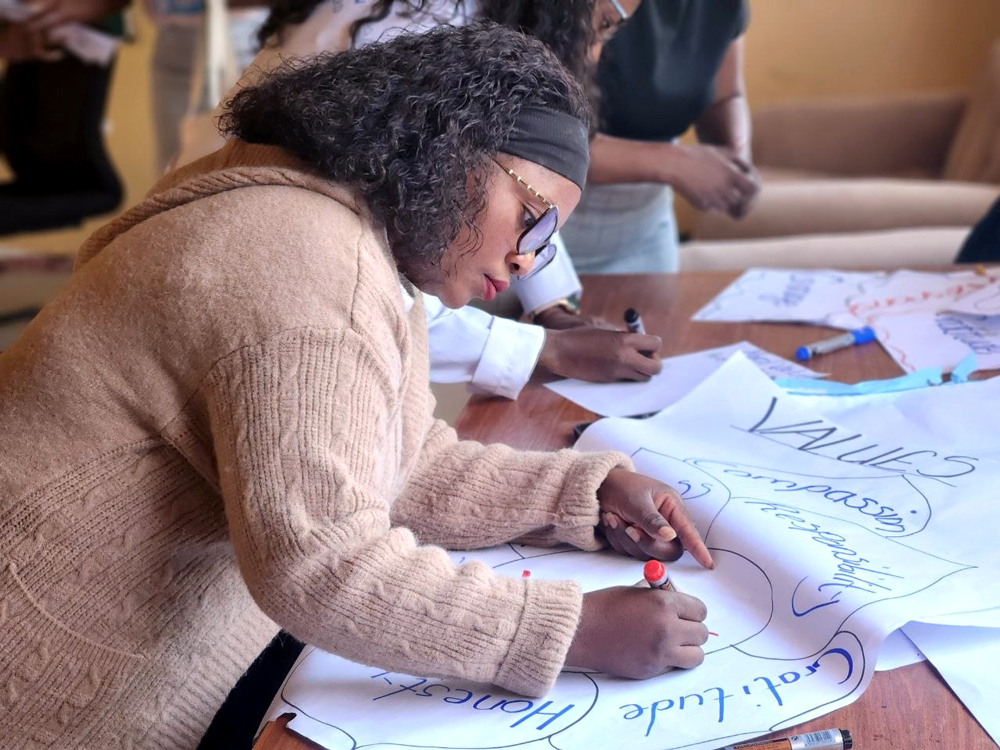
Teachers meeting to discuss lesson content and plan activities for peace education classes that embrace and nurture children’s hearts
Teacher Albina Mwisa shared that she was deeply impressed to see students earnestly discussing how to practice peace in their daily lives through the ‘Gratitude Tree’ and ‘Peace Tree’ activities. Seeing the students’ self-restraint and respectful attitudes, Teacher Sharon Sakala expressed her hope that these children will grow into adults who practice peace and pass down a legacy of peace to future generations.
“Nurturing these values from a young age plays a crucial role in helping children promote peace and harmony wherever they go, growing into responsible and respectful citizens.”
— Wendy Ngosa, Teacher, New-Ngombe Primary School
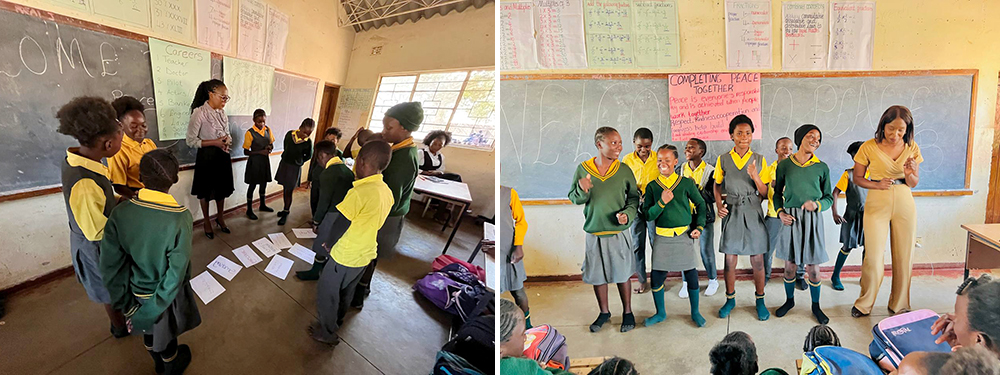
Interactive class activity at New-Ngombe Primary School
Chazanga Combined School Students, Avoid Risks and Protect Their Dreams and Futures
For students at Chazanga Combined School—who were exposed to real-world risks such as substance abuse, peer pressure, and teenage pregnancy—peace education became a shield protecting their dreams and futures. In this combined school, which spans from primary to secondary levels, peace education brought about transformation tailored to different age groups.
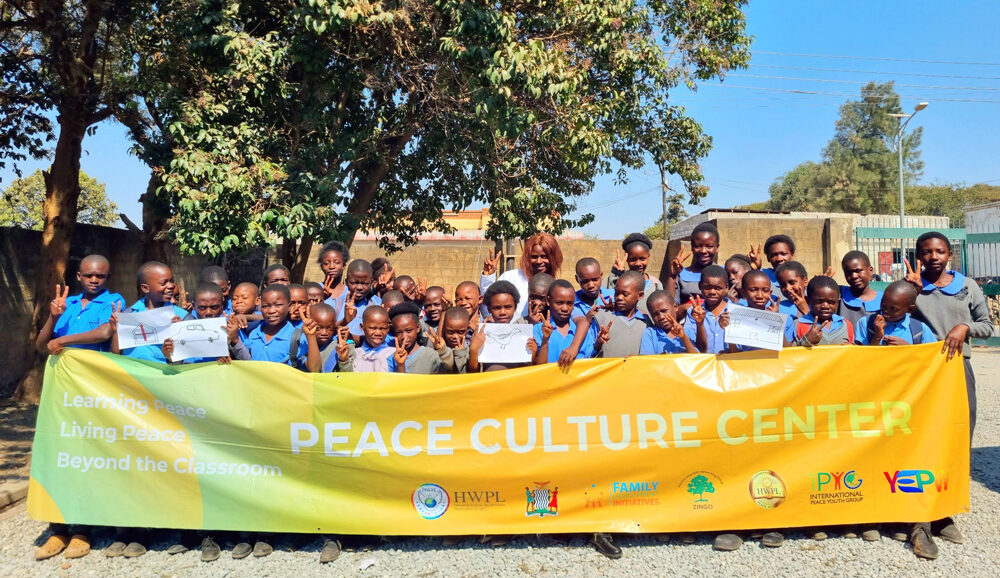
Primary school students pledged to protect their dreams regardless of their circumstances. Student Loita Banda remarked earnestly, “Through today’s lesson, I learned that I must avoid early marriage. If I get pregnant, I might not be able to fulfill my dream of becoming a nurse.” Student Kangwa Comfort also committed to proactively practicing peace, stating, “Creating peace doesn’t start with waiting for someone else to begin; it starts with me taking action first.”
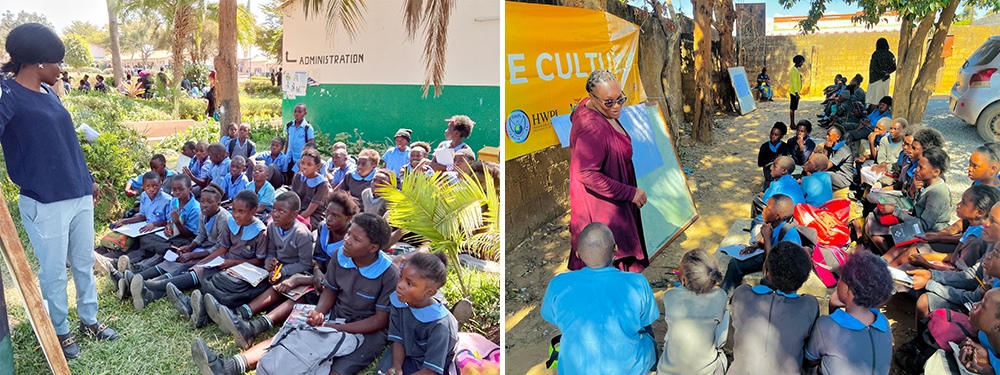
Interactive class activity at Chazanga Combined School
In response, Teacher Agnes Mulenda shared, “Seeing the students understand the importance of their dreams and realize how to make good choices and avoid substance abuse was deeply encouraging and moving for me as an educator.”
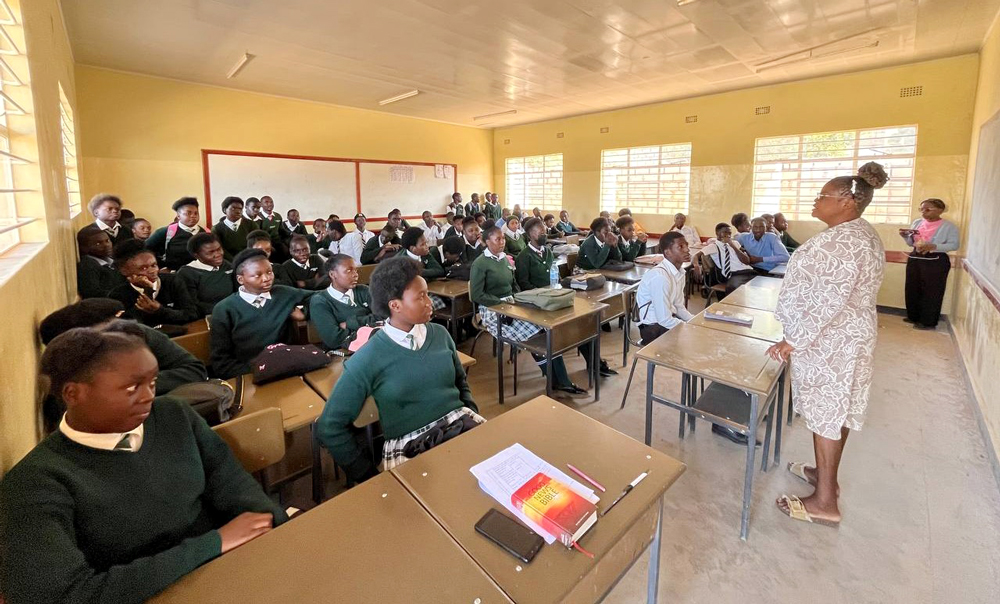
Interactive class activity at Chazanga Combined School
Secondary students went beyond personal change, developing critical thinking and a sense of responsibility toward social issues. Student Tinashe Chita shared, “I have seen many of my friends drop out of school due to early pregnancy and drug issues, but through this education, I deeply realized that I must protect my dreams, my body, and my future.” Student Brian Chita said, “At first, I didn’t know if I was a person of special value, but through the lessons, I realized that I, too, am an important being who can positively influence those around me.”
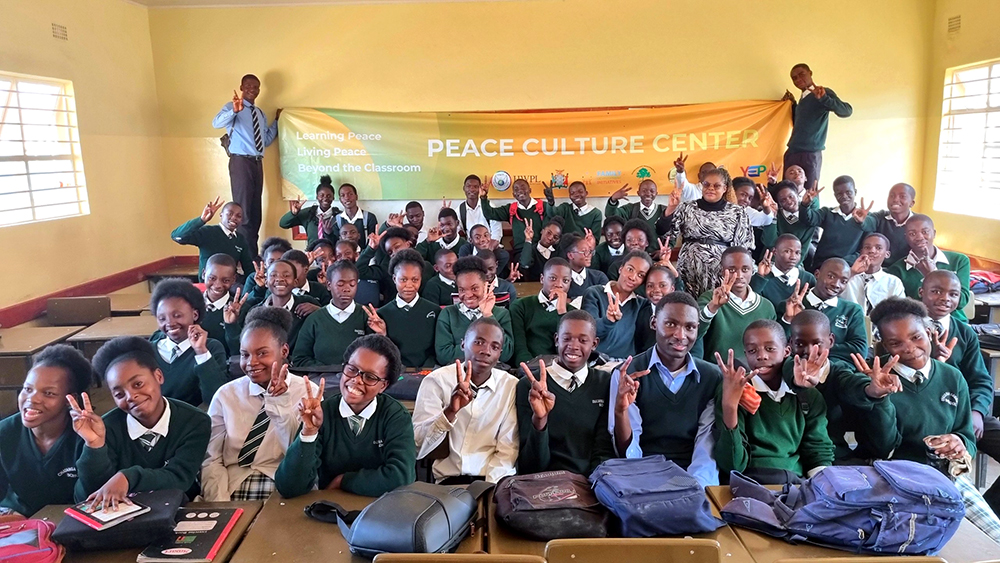
Interactive class activity at Chazanga Combined School
Teachers also agreed that this education was the key to addressing the school’s pressing challenges. Teacher Lucia Chapulamo shared that she felt hopeful seeing students actively speak out against drug issues, while Teacher Catherine Nsama added that it was inspiring to see students raise awareness about the dangers of drugs and resolve to build a better country.
“Students broke the misconception that ‘you have to experience it yourself to be complete’ and came to realize that the key to achieving their dreams ultimately depends on their own choices. With about 9,000 students enrolled in our school, peace education was a gift that arrived at the perfect time.”
— Charity Nampukuwe, Teacher, Chazanga Combined School
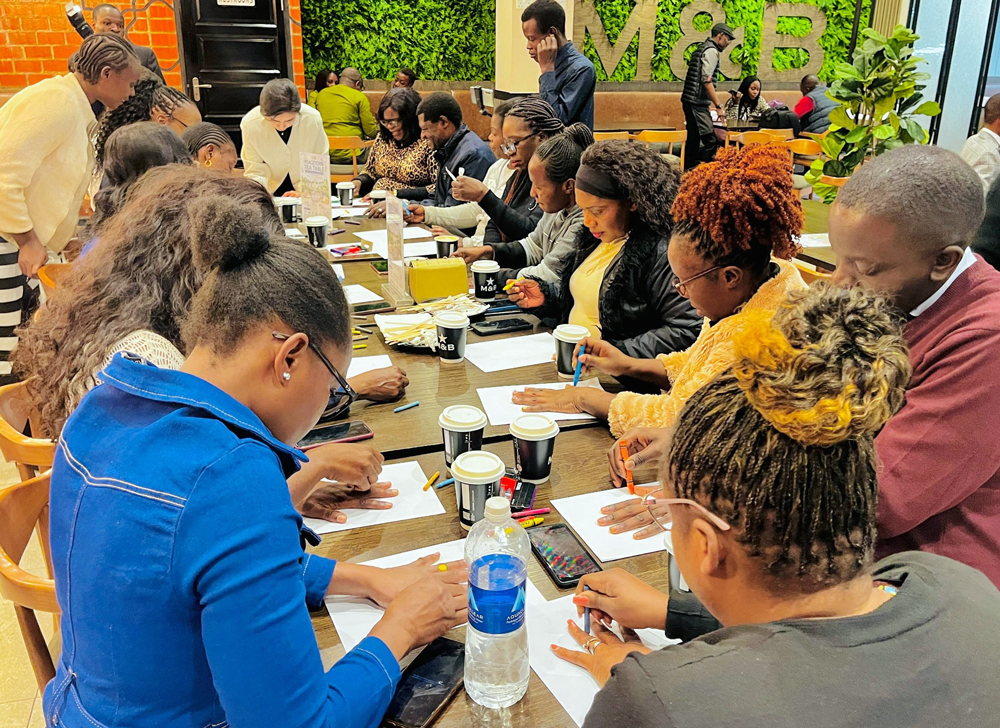
Gathering of Peace Educators Training (PET) Program
Farmers Planting Seeds of Peace – The Sustainability of Peace Education Built by Teachers
Teachers who completed the Peace Educator Training go beyond simply conducting lessons; they continue to gather in teacher study groups to thoroughly research HWPL peace textbooks and develop field-tailored lesson plans. By sharing teaching experiences and refining lesson plans, these gatherings serve as a vibrant learning space that continuously enhances the quality of peace education.
On June 28, 2026, the ‘Peace Educator Training Completion Ceremony’ was held at Manda Hill Mall in Lusaka City. Key educational officials, including the District Education Board Secretary (DEBS) of Lusaka City, attended in person to present certificates to the teachers and commend their dedicated efforts. This served as a meaningful occasion that renewed the teachers’ sense of mission to sustain peace education. Resonating with the achievements of the program, attending educational stakeholders emphasized that peace education should expand beyond individual schools and be integrated into the broader Zambian public education system.
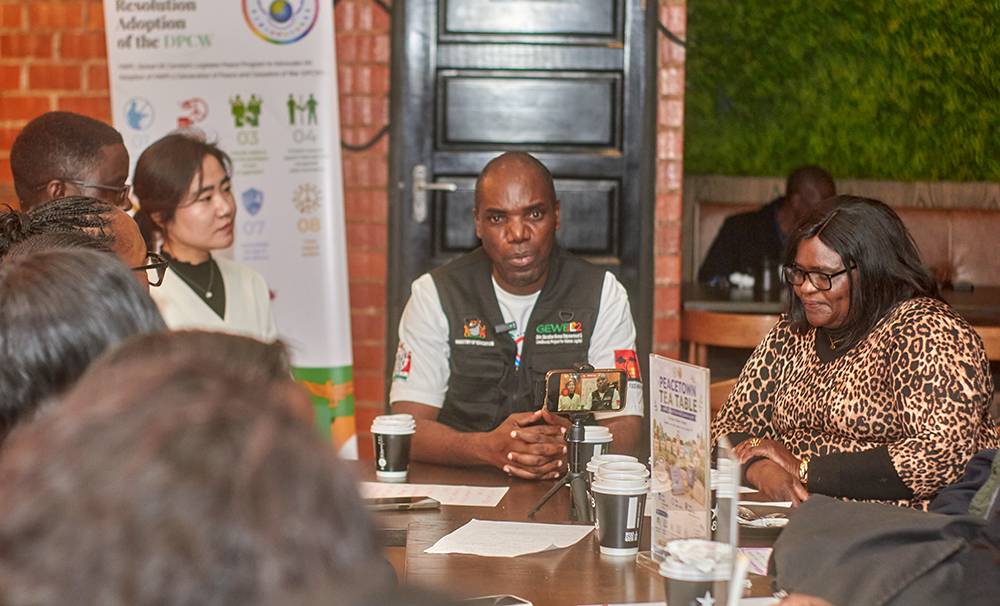
“It is truly significant that teachers now have the skills to put peace education into practice in schools. I hope this serves as a small stepping stone to expand the program to more teachers and help foster a peaceful culture in all of our schools.”
— Amos Simutowe, District Education Board Secretary (DEBS), Ministry of Education, Lusaka
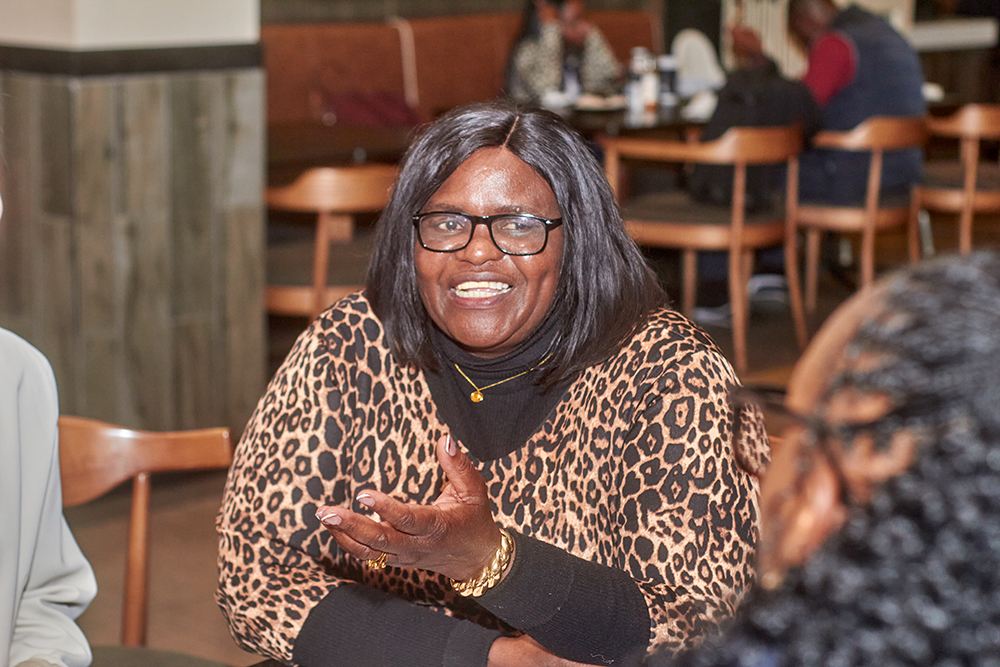
“This program is bringing about positive changes for our teachers and students. Wishing that more teachers could experience this training, I shared our on-the-ground stories at the Teachers’ Forum as well. Creating a peaceful environment within our schools, communities, and throughout Zambia is truly meaningful work.”
— Judith Siakalima Muzona, Lusaka District Education Standard Officer (DESO)
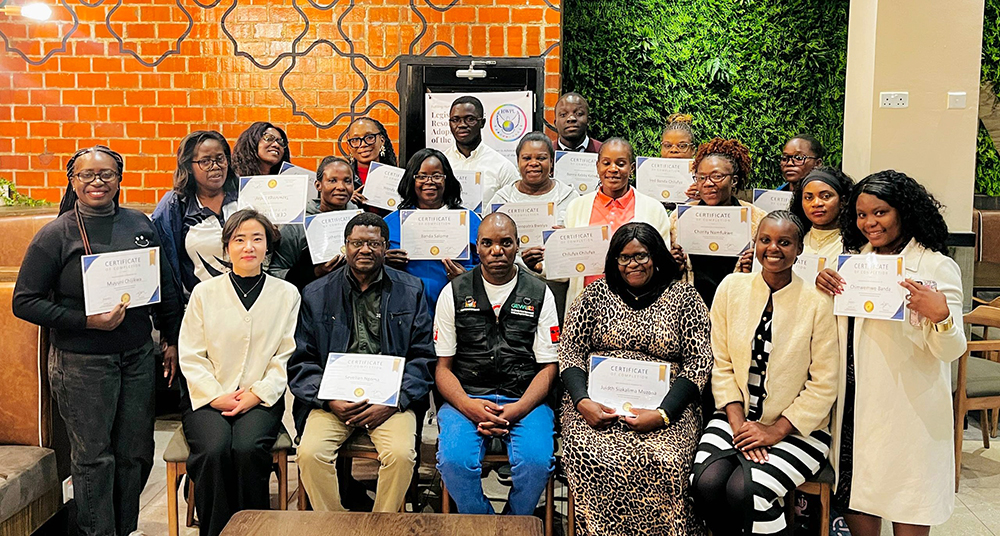
Resolutions of Teachers Who Completed the Peace Educator Training
Teachers who attended the completion ceremony shared their commitments to peace education.
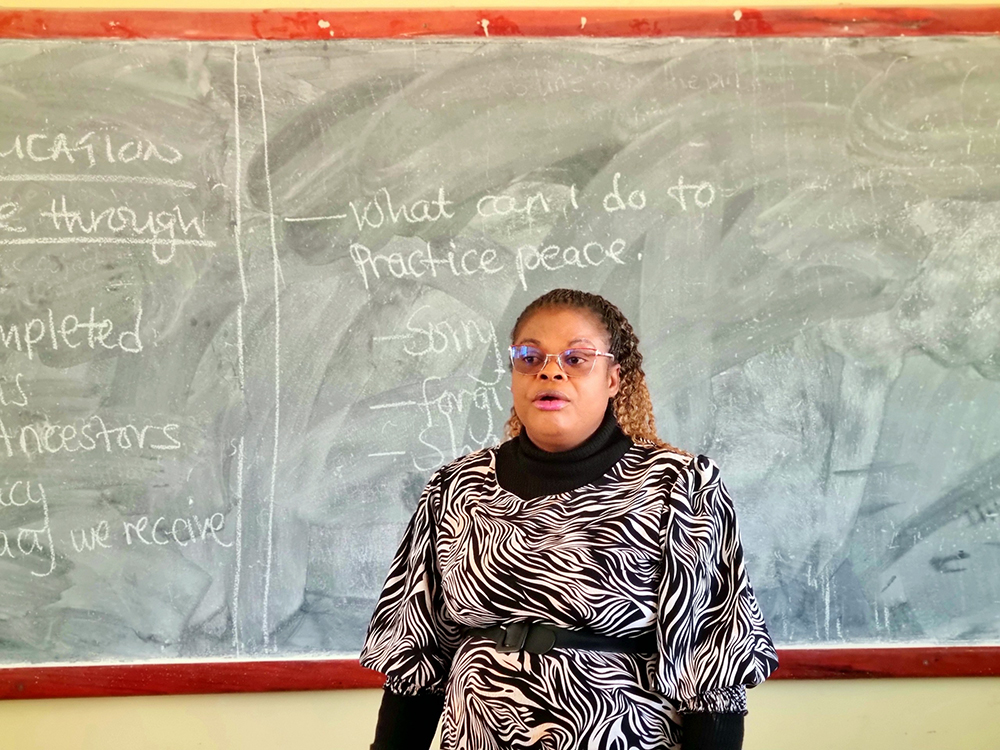
“You can only share with others what you yourself possess.” — Ired Banda Chilufya, Teacher at Chazanga Combined School
“I also want to thank you and your team for awarding us the certificate, especially that the DEBS and DESO were in attendance. Being a peace educator, I will surely preach peace starting with my family, community, nation, and the world at large. This is so because peace begins with me, and so I will share my peace with others, because you can only share what you have.”
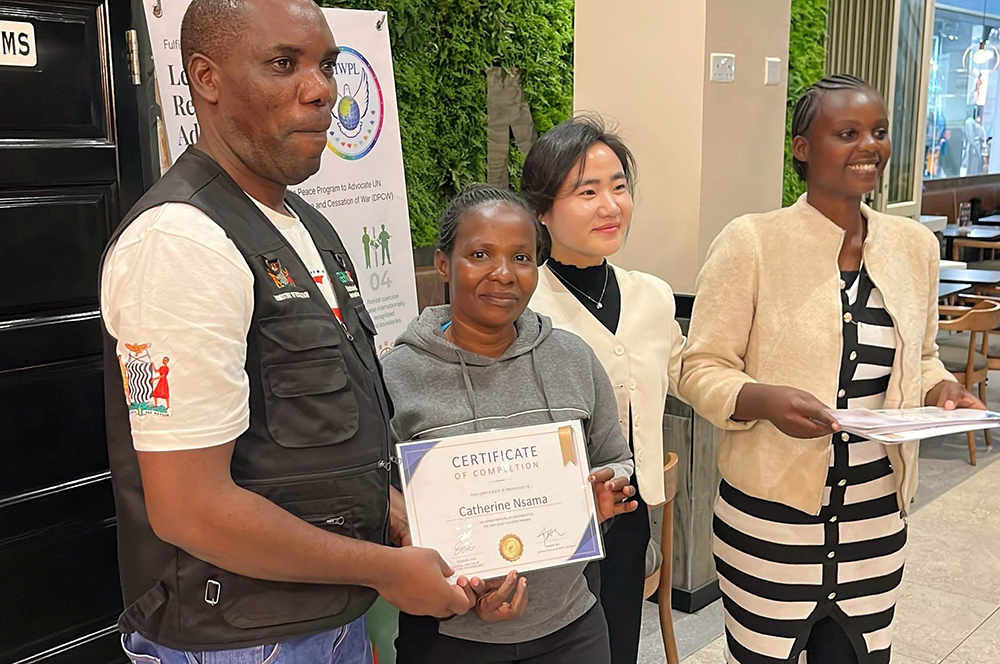
“Peace begins with me.” — Catherine Nsama, Teacher at Chazanga Combined School
“Thank you so much for being part of those people who were graduating. We had a good time together, especially meeting people from different schools, and those in higher offices like DEBS, and of course, you and your team were incredible. As a PET graduate, my call is to spread peace not only in school but also in the community and nation. Peace starts with me. Thank you.”
“I will share the peace I learned with the whole world.” — Bwalya Cleopatra, Teacher, Kabulonga Primary School
“I have learned a lot of things about peace education and lam ready to share with other people.”
Peace Extending Beyond the Classroom and into the Community
Education at the Peace Culture Center is expanding beyond classrooms into homes, local communities, and civic consciousness. As students learn about the ‘Legacy of Peace,’ they dream of growing into peacemakers within their homes, nation, and world, while teachers have gained firm conviction that these values will nurture children into responsible and respectful citizens.
The collaborative study and sharing initiated by teachers at Yotam Muleya Secondary School, New-Ngombe Primary School, and Chazanga Combined School are gradually taking root beyond the Lusaka region and across Zambia’s public education system. These collaborative efforts between HWPL and local educators will serve as a vital foundation for children to envision their futures within a more stable and peaceful environment.