
HWPL Hosts International Human Rights Webinar and Global Peace Media Fellowship to Mark International Day Against Nuclear Tests
International journalists discuss human dignity and the role of the media, from the records of nuclear testing to today’s human rights issues
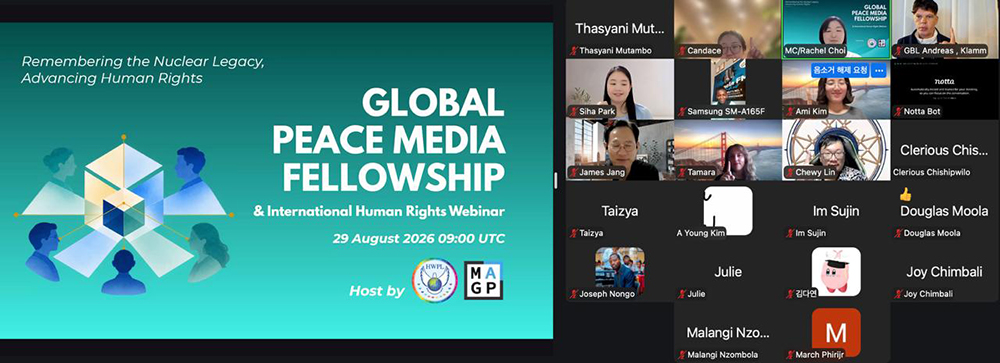
On August 29, in observance of the International Day Against Nuclear Tests, HWPL hosted an International Human Rights Webinar and Global Peace Media Fellowship online. Held under the theme “Remembering the Nuclear Legacy, Advancing Human Rights,” the event brought together international journalists and media professionals to examine the historical legacy of nuclear testing, explore human rights issues of today, and discuss the role of the media in reporting on them.
Journalists and media professionals from the Marshall Islands, Zambia, Malawi, Germany, Belgium, and other countries participated in the event, exchanging views on forced displacement and the loss of communities caused by nuclear testing, the rights of socially vulnerable groups, the dignity of older people, and the media’s responsibility in covering human rights issues.
“We Want to Go Home”: The Story of Bikini Islanders Continuing for 80 Years
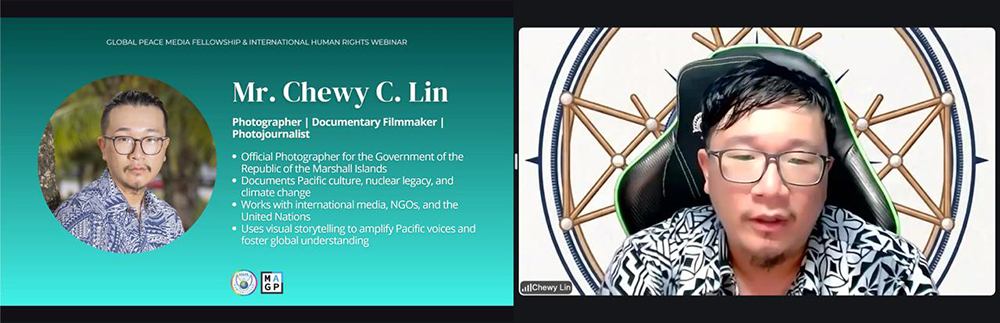
Chewy Lin, a photojournalist from the Marshall Islands and director of Marshall Islands Media, noted that this year marks 80 years since the people of Bikini Atoll were displaced from their homeland due to nuclear testing.
Drawing on his interviews with elders of the Bikini community, he recalled hearing the same words repeatedly: “We want to go home.” He explained that losing one’s homeland means far more than losing a house or land. It also means losing a way of life, culture, identity, connection to history and ancestors.
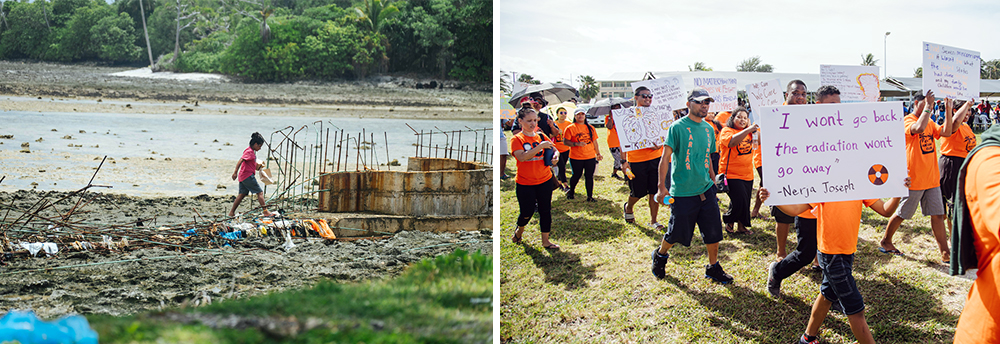
Photo by Chewy C. Lin
Lin also emphasized that photographs, interviews, documentaries, and other forms of documentation do more than preserve the past; they can serve as historical records passed down to future generations. “Remembering the nuclear legacy is not about remaining in the past, but about protecting the future,” he said, stressing the need to view the legacy of nuclear testing as an ongoing human rights issue.
Human Rights Challenges Facing Vulnerable Groups Today
Ousman Kaliati, a journalist with Times Group Malawi, highlighted cases in which schoolgirls miss classes during menstruation because they lack access to adequate sanitation facilities and private spaces. He noted that these conditions can affect not only girls’ participation in education but also their mental health, emphasizing the need for appropriate facilities and greater public awareness.
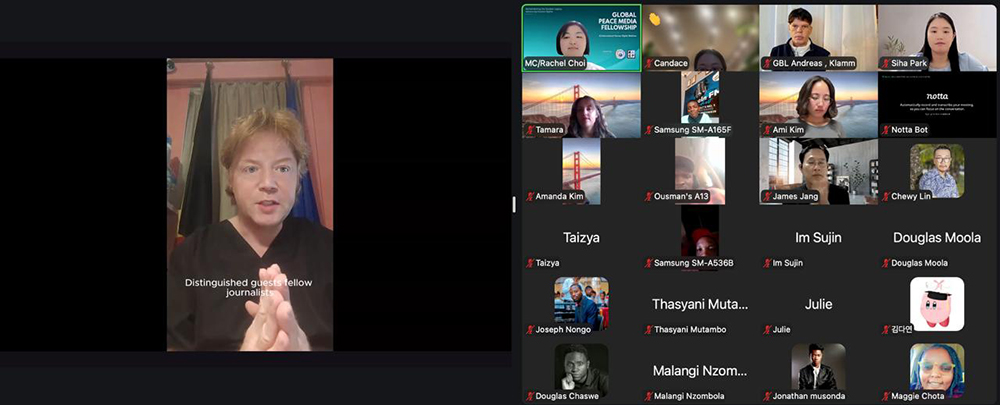
Andy Vermaut, a Belgian journalist and founder of Fundamental Rights of PostVersa, then introduced an article he had written concerning the detention and legal proceedings of a 95-year-old religious leader, using the case to discuss the responsibilities of the media when reporting on human rights issues. He emphasized that journalists should clearly distinguish between allegations and verdicts, as well as between criticism and evidence. In cases involving elderly defendants, he added, the media should also examine whether detention is necessary, whether alternative measures are available, and whether the principles of the presumption of innocence and due process are being upheld.
Different Perspectives, but Reporting Grounded in Facts
The event also addressed the importance of viewing issues from multiple perspectives, recognizing that the same incident may be understood differently depending on the perspective and context from which it is viewed.
Andreas Klamm, a German journalist and representative of lovepeacepeople.org, emphasized the need to pay particular attention to people whose voices are often not adequately heard in society. He highlighted the media’s role in bringing attention to conveying the stories of people who may find it difficult to speak for themselves, including persons with disabilities and older people.
Participants agreed that while it is important to consider a range of perspectives, reporting should remain grounded in fact-checking and accurate information, listen carefully to the voices of those directly affected, and place human dignity at the center.
Shedding light on human rights issues from different contexts—from the 80-year displacement of Bikini Islanders to the educational rights of schoolgirls in Malawi and due process for elderly defendants—the event reaffirmed the media’s responsibility to document these issues and bring them to the attention of the wider world.