
Cooperation Beyond Religion: A New Milestone in Peace Education for Sri Lankan Youth
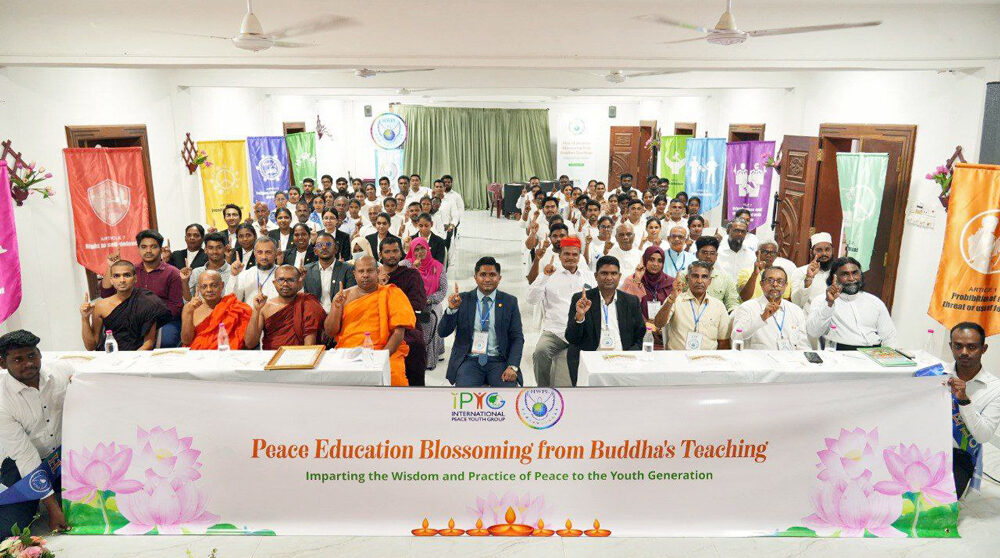
On November 22, a program titled “Peace Education Blossoming from Buddha’s Teachings” was held at the Sunethra Devi Purana Rajamaha Viharaya Temple in Pepiliyana, Sri Lanka, focusing on interfaith cooperation and peace education for youth.
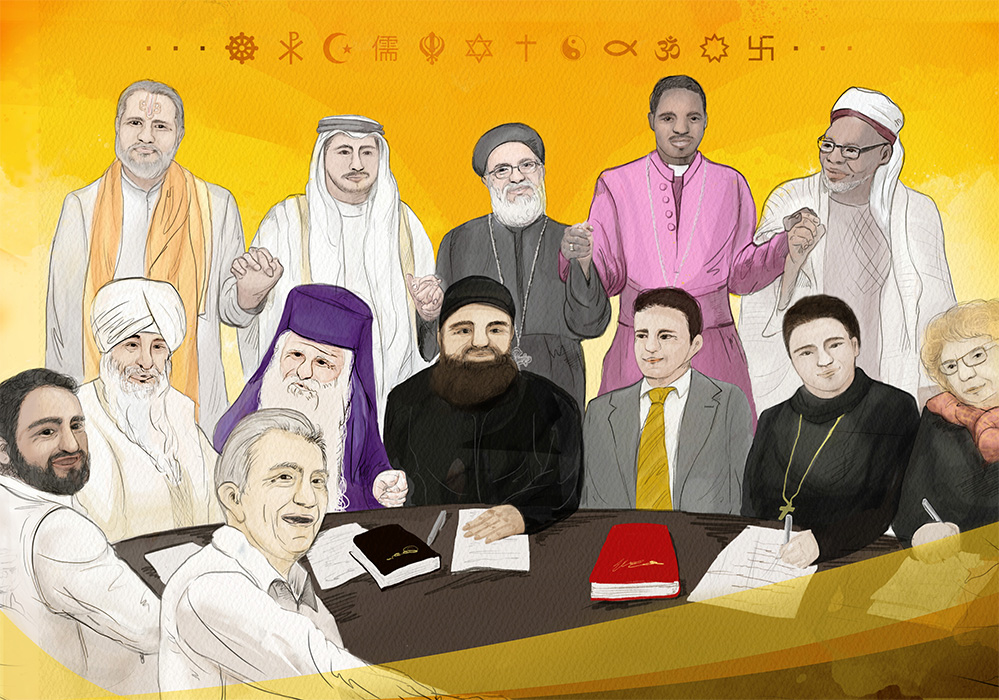
For decades, young people in Sri Lanka have grown up in the shadow of civil war, bearing the scars of conflict from an early age. In a land where the youngest generation has been directly affected by violence, youth came together with Christian, Buddhist, and Muslim religious leaders for a meaningful time to learn how to choose peace over violence. Although their religious backgrounds are different, all participants gathered for the same purpose: to ensure that young people—those who were the first to suffer from war—would not inherit another “age of violence,” but instead be given the opportunity to learn peace and help build a lasting culture of peace.
The event consisted of an opening ceremony, traditional oil lamp lighting and the national anthem, a Sri Lankan cultural performance, an introduction to HWPL, peace education sessions, a presentation on peace practices based on Buddhist teachings, and a commitment and cooperation segment for peace.
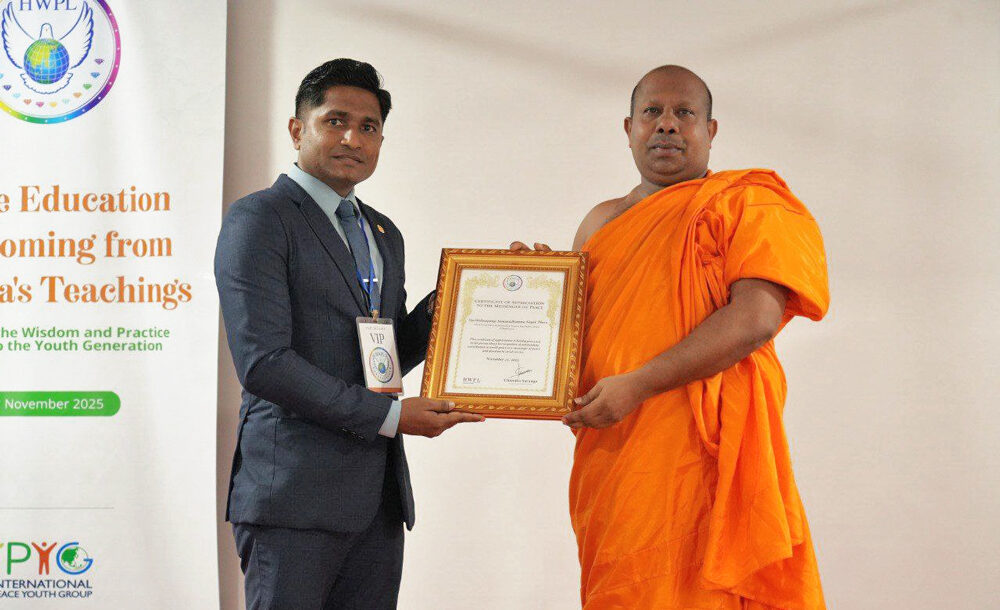
Presentation of the Peace Achievement Award to Ven. Wellampitye Thero
A total of 102 religious and community leaders and youth attended the event, including Ven. Wellampitye Sumanadhamma Nayaka Thero — Chief Incumbent of Sunethra Devi Purana Rajamaha Viharaya, Pepiliyana — Rev. Isaac Daniel Dixon of St. James Church, Nallur (Jaffna), and Mr. Abdullah Mohideen — Director of the Center for Islamic Studies.
Ven. Wellampitye Sumanadhamma Nayaka Thero, the key speaker, explained, “Peace begins with individual practice and extends to the family, society, and ultimately the world. Refraining from killing is a way of life that protects the right to life of all beings and removes the root of violence.” He further stated that the peace education program was implemented under a shared goal of spreading a culture of peace, in line with youth development, Buddhist-based moral education, and the HWPL Peace Education framework.
The temple leadership spoke positively of HWPL Peace Education, commending its systematic and universal educational framework. Following the program, Christian and Muslim communities also expressed their intention to introduce peace education tailored to their respective religious contexts, highlighting new possibilities for interfaith cooperation at the local level.
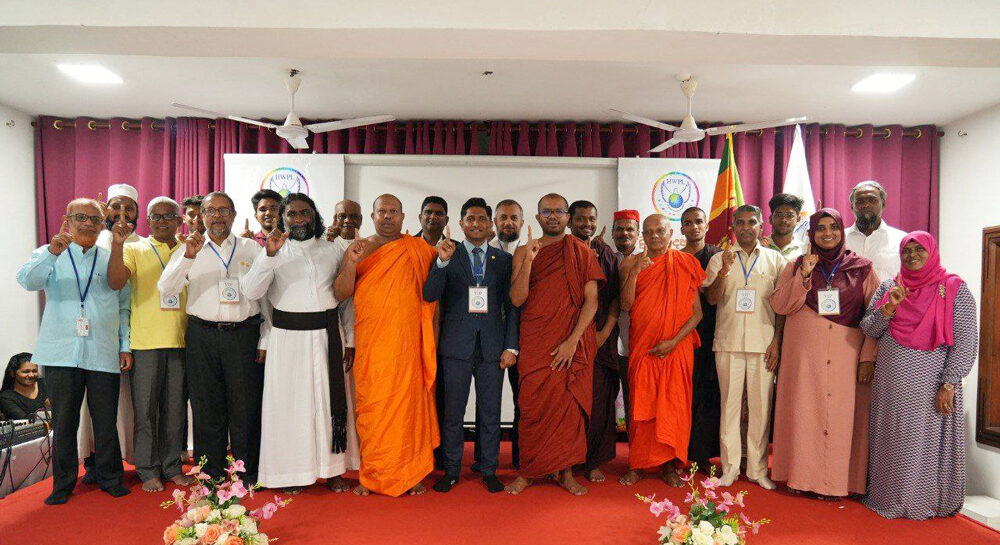
Group photo with participants of the 22nd Peace Program
Christian and Muslim leaders also highly praised the significance of the program. Dr. M. S. M. Sadique, founder of the Association of Social Activities and Development and a pastor, emphasized, “The program was well organized. A strategic approach is needed to encourage greater participation from youth and women. It is very important for diverse peace actors to work together to achieve peace.”
Mr. Abdullah Mohideen, Director of the Islamic Studies Research Center, also shared his thoughts, saying, “The preparation and operation of the event were highly professional. The Venerable Thero’s presentation and the speeches by HWPL peace representatives were deeply moving.”
Pepiliyana is an area where diverse faiths and cultures coexist, as it is home to numerous religious institutions and educational facilities. Thanks to these local characteristics, the program provided Sri Lankan youth with a valuable opportunity to experience interfaith harmony firsthand and to engage deeply with teachings essential for practicing peace. In addition, the united efforts of religious leaders expanded opportunities to heal social conflicts and build sustainable peace in Sri Lankan society.