
Teaching Peace Amid Conflict
HWPL Peace Education Teacher Training Orientation Draws 100 Participants from 5 Countries
Educators from Croatia, Bosnia, Congo, India, and Pakistan Gather Online; “The Classroom Is Where Peace Begins”
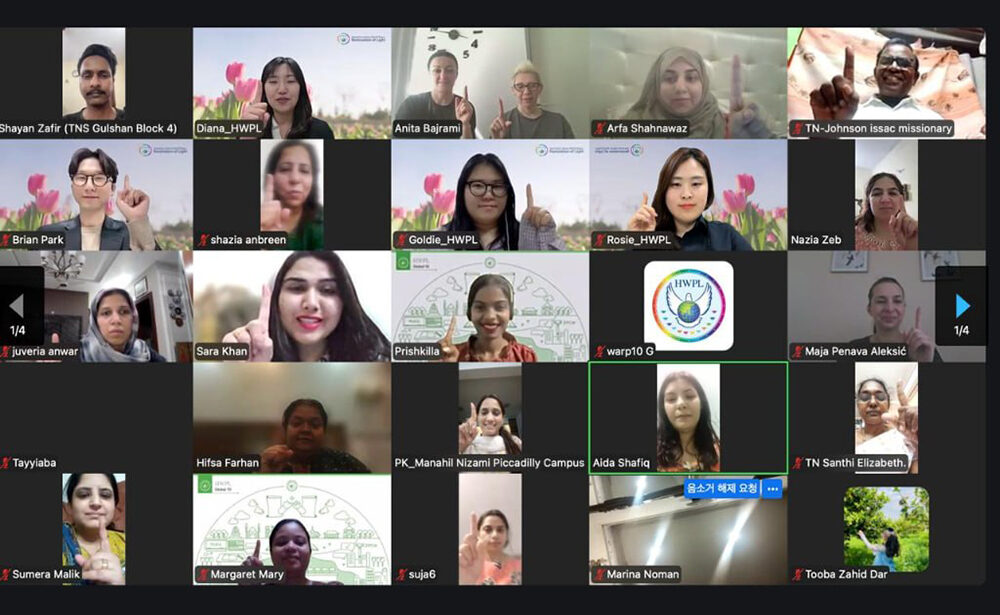
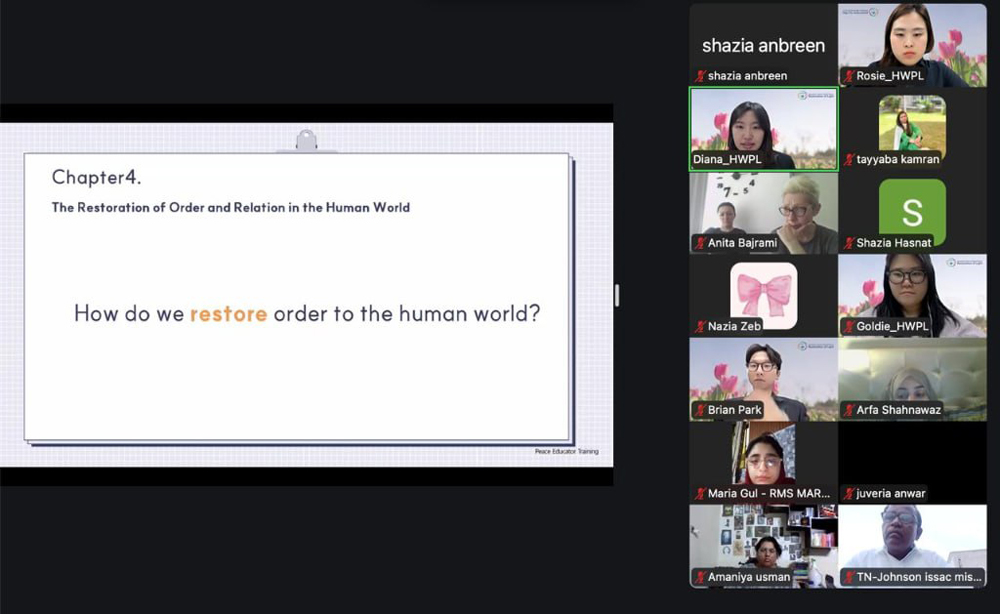
On April 21, HWPL held an online orientation for its Peace Education Teacher Training Program under the theme “Teachers for Peace: Stories from the Classroom.” The orientation brought together 100 educators from five countries: Croatia, Bosnia and Herzegovina, the Democratic Republic of Congo, India, and Pakistan. The program covered an introduction to HWPL, an overview of peace education, a guide to the training curriculum, and details on completion requirements and assignments.
What Is a Peace Teacher?
A Peace Teacher is an educator who has completed HWPL’s peace education training program. Unlike conventional subject-focused teachers in fields such as mathematics or English, Peace Teachers guide students with an emphasis on character development, peace, and conflict resolution. The concept is one of expansion. Existing educators enhance their professional role by acquiring peace education competencies through HWPL training.
The role of a Peace Teacher involves fostering mutual respect among students, guiding them to resolve conflicts through dialogue rather than violence, and cultivating understanding and acceptance of diverse cultures and perspectives. In essence, Peace Teachers go beyond imparting knowledge. They also teach students how to live as decent human beings.
HWPL provides all educational materials, including textbooks and video lectures, free of charge to Peace Teachers. Peace education classes are currently being conducted in 112 countries worldwide. Upon completing the designated program, participants receive an official Peace Teacher certification.
Voices from the Participants
Sabina Zakir, Director of Millennium Education in Pakistan, shared:
“This year, not only teachers but also principals and administrative staff joined the program, and everyone is fully committed. Peace has become a very important topic in Pakistan because it is deeply connected to our daily lives.”
Sara Khan, a teacher at Millennium Education in Pakistan, said:
“Being a teacher as part of HWPL is truly meaningful and inspiring. It allows me to share peace, empathy, and positive values with my students, and to contribute to building a better, more harmonious world.”
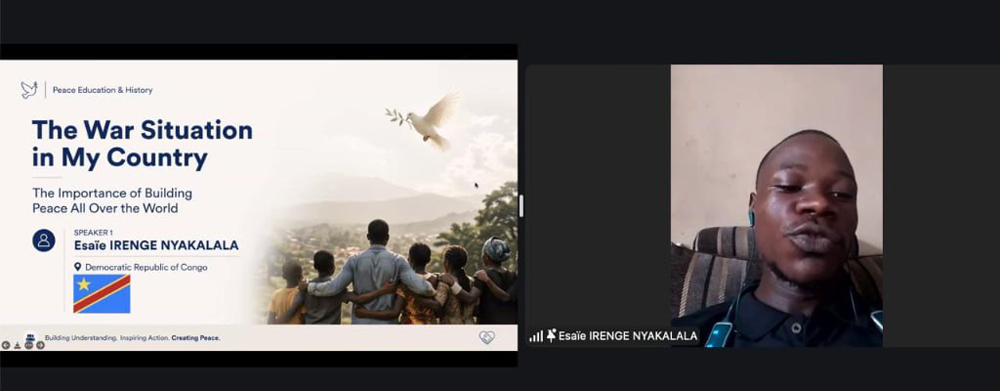
Esaïe Irengi Nyakalala, Administrator and Lawyer of the Association of Peace Ambassadors and Peace Teachers in the Democratic Republic of Congo, stated:
“I live in a country that has been at war for over 30 years. Participating in this training will help me build the capacity to contribute to restoring peace in my country. Some people still believe that war is the way to achieve peace, but there are many other ways to make peace.”
HWPL continues to strengthen partnerships with educational institutions around the world through MOU agreements. It is also engaged in ongoing discussions on implementing peace education tailored to the unique circumstances and characteristics of each country.
Peace education is not merely a subject on a curriculum. It is the foundation that guides the next generation to resolve conflicts through dialogue and to live with mutual respect. It is our hope that these small changes, beginning in the classroom, will come together to bring about peace throughout the world.