
[Ukraine Special Feature 1] Preparing for the Future through Peace Education Even Amid War
– Amid the prolonged war, 237 participants completed the “HWPL 3rd Peace Educator Training Program in Ukraine”
– Despite the destruction of over 4,500 educational facilities, learning has continued both offline and online
– Educators unanimously emphasized that education is an investment in the future
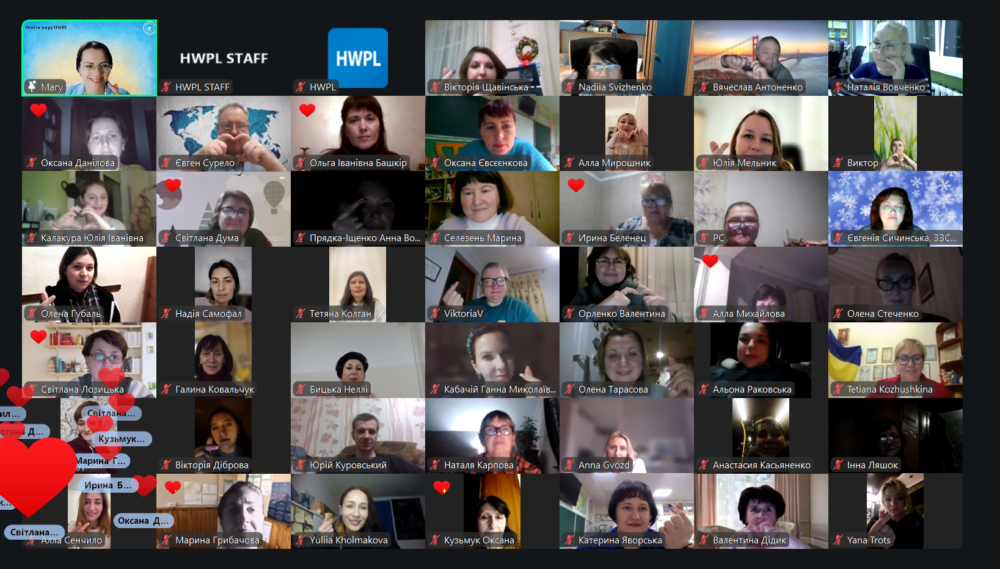
HWPL 3rd Peace Educator Training Program in Ukraine – group photo
HWPL 3rd Peace Educator Training Program in Ukraine
HWPL conducted the “HWPL 3rd Peace Educator Training Program in Ukraine” for educators across Ukraine from December 5, 2025 to March 10, 2026, with a total of 237 participants successfully completing the course. This figure exceeds the combined total of the 1st program (111 participants in 2024) and the 2nd program (125 participants in 2025).
The HWPL 3rd Peace Educator Training Program in Ukraine was offered free of charge and operated with the support of the online platform provided by Alfred Nobel University. In addition, multiple educational institutions participated as partners in delivering the program, including the Department of Education and Science of the Poltava Regional Military Administration, the Department of Education and Science of the Rivne Regional State Administration, the Department of Education of Zhytomyr City Council, the Zolochiv City Council and its Department of Education, Youth and Sports (Lviv region), Poltava State Medical University, and the NGO, University Unity.
This program was conducted online through the collaboration of regional and municipal departments of education and science, as well as educational institutions, bringing together educators from across the country. Participants shared peace education cases implemented in Ukraine alongside international best practices, and jointly discussed strategies for applying these programs to students across diverse age groups.
After completing the three-month program and receiving the “HWPL Peace Education Instructor Appointment Certificate,” participants will go on to professionally deliver peace educations across a wide range of educational institutions, from kindergartens to universities.
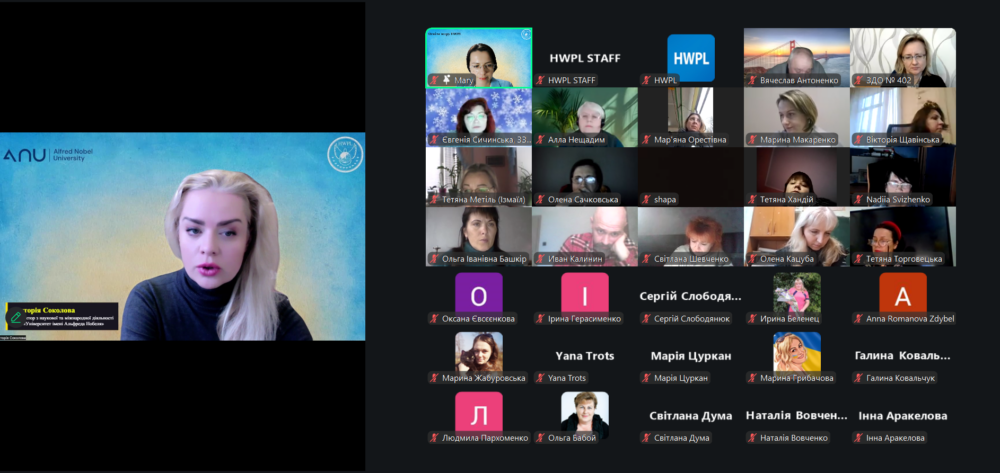
Viktoriia Sokolova, the vice-rector for scientific and international activities of the Alfred Nobel University, a long-standing key partner, emphasized this in her address during the program:
“For Alfred Nobel University, our cooperation with HWPL is not merely a partnership, but an essential part of our mission. We firmly believe that peace education is a key pillar in building a sustainable society. This is especially true at a time when Ukraine is facing one of the most challenging periods in its modern history. Therefore, this program holds profound significance. It provides teachers not only with knowledge, but also with practical tools to support children and youth during times of war.
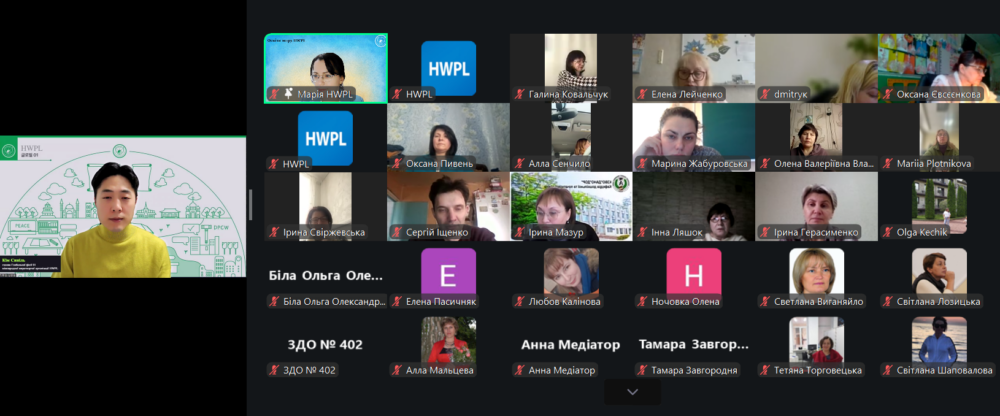
Kim Seung-il, chief branch manager of HWPL Global 01 Branch, congratulated the participants on obtaining the “HWPL Peace Education Instructor” qualification and stated:
“Amid the deepening scars of war, your dedication to continuing education despite the ongoing air raids and unstable conditions serves as a profound inspiration to educators around the world. You are not merely teachers who deliver knowledge, but messengers of peace who plant seeds of hope in the hearts of others.”
He further emphasized, “The future of Ukraine must be one of just and lasting peace, where its territorial integrity and sovereignty are fully guaranteed.”
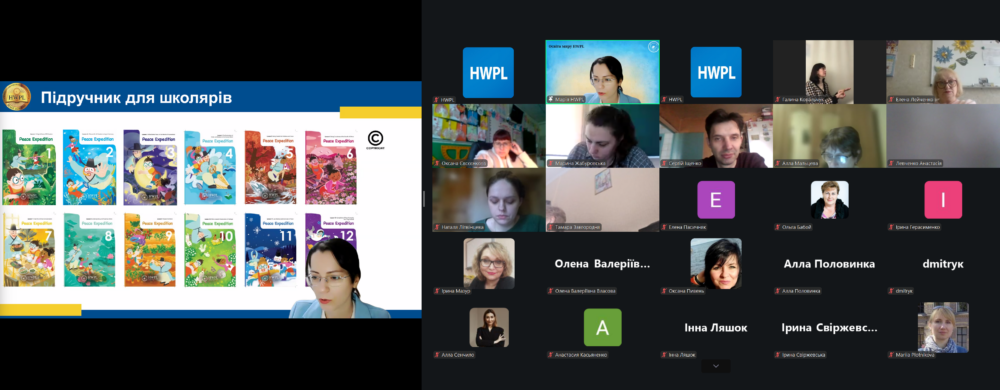
Education That Did Not Stop Amid War
Peace education in Ukraine began in 2021, with 139 students completing the program across six schools. However, in 2022, the full-scale invasion by Russia led to a temporary suspension of education, leaving many students unable to complete the course.
In 2023, peace education resumed through HWPL’s local efforts and collaboration with educational institutions. Over approximately three years—from the 2022–2023 academic year to the 2024–2025 academic year—more than 3,300 students have completed the program.
Even amid the realities of war, Ukrainian educators emphasized that imparting the values of peace to the next generation is of utmost importance. Such efforts are regarded as a vital investment in building sustainable peace through education in the post-war era.
According to Ukraine’s Ministry of Education and Science, as of March 2026, more than 4,500 educational institutions across the country have been damaged or destroyed by bombardment, with over 400 reported to be completely destroyed. This means that one in every six educational institutions has been affected by the war.
Some educational institutions continue to conduct in-person classes; however, when air raid sirens sound during lessons, classes are immediately suspended and resumed in shelters. Meanwhile, institutions operating online classes repeatedly face disruptions due to power outages and internet interruptions.
Even under wartime conditions where even the normal conduct of classes is difficult, HWPL’s peace education continues to steadily expand across Ukraine.
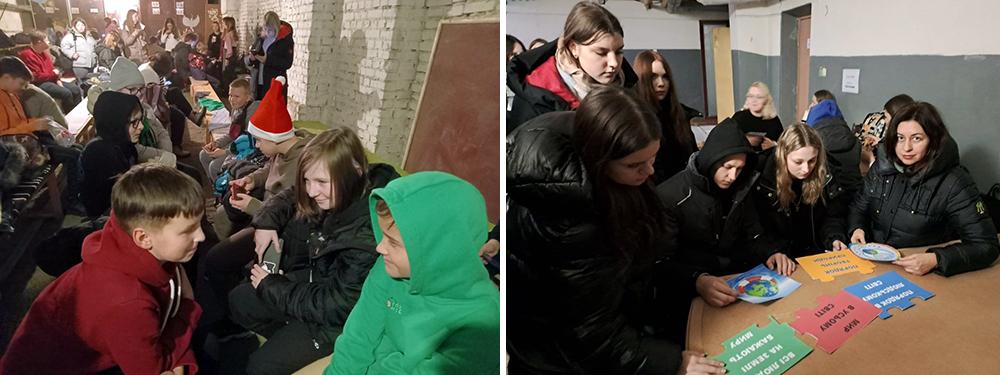
Students attending class in a shelter
Peace Education as an Investment in the Future
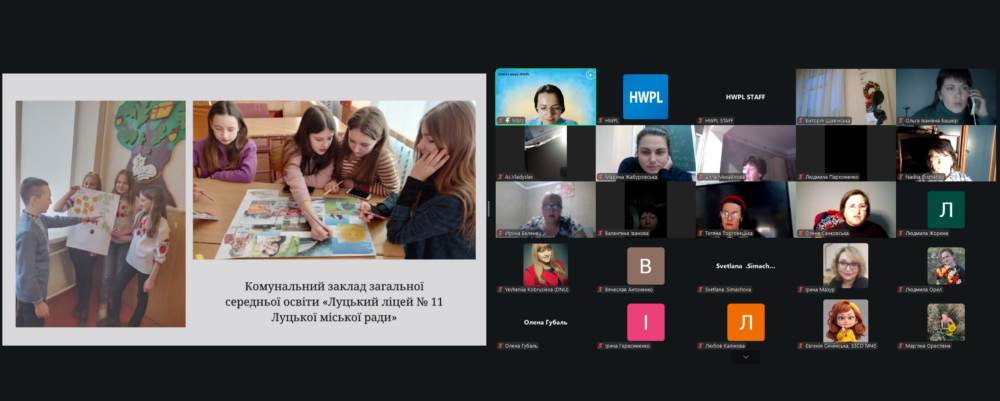
This Peace Educator Training Program brought together participants from across Ukraine, including educators from all levels of education—from kindergartens to universities—as well as representatives from education departments and civil society organizations.
According to a survey conducted among 178 participants, 99% of respondents recommended implementing HWPL peace classes in schools and universities. Participants noted that peace education contributes to the development of empathy, tolerance, critical thinking, peaceful conflict resolution skills, emotional intelligence, and a sense of civic responsibility. They also assessed that it helps strengthen the resilience of children and youth in the context of war.
Furthermore, participants regarded peace education as a vital investment in the future, emphasizing that “if we do not teach children peace, someone else will teach them violence.”
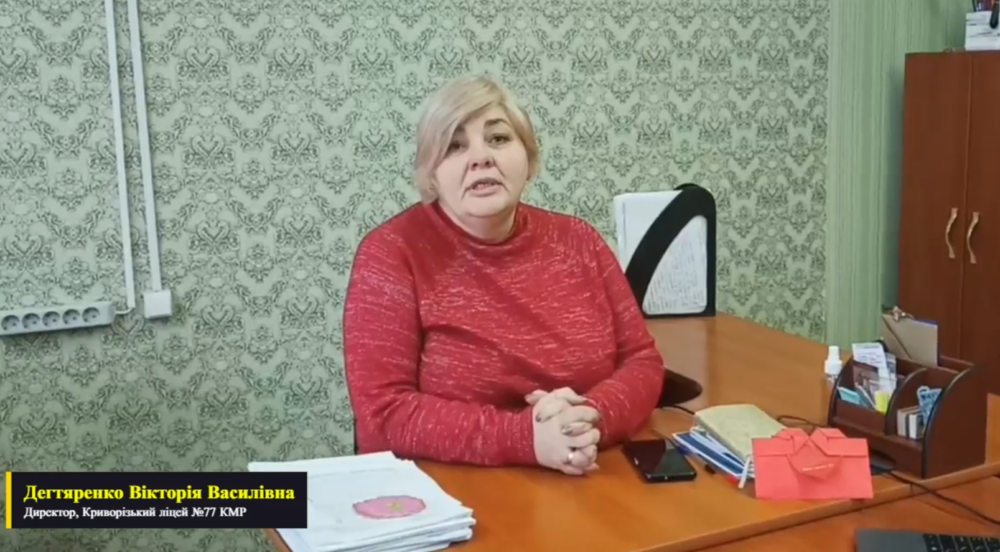
Viktoriia Dehtiarenko, director of Kryvyi Rih Lyceum No. 77 of the Kryvyi Rih City Council, stated at the Peace Educator Training completion ceremony that peace classes are being conducted for middle and high school students. She noted that students greatly enjoy the peace education materials, carry out their assignments with enthusiasm, and hope that the program will continue in the future.
She also explained the reasons why both students and teachers appreciate peace education as follows:
“We value peace education because it equips us with the competencies needed for the future of education. These include leadership, tolerance, conflict resolution skills, the ability to achieve harmony with one’s self and the world, and the attitude of moving toward just peace with calmness and patience. By learning and understanding these fundamental principles of peace, we become messengers of peace.”
Educators who participated in the Peace Educator Training Program stated that the program provided an opportunity to reflect on the role teachers must play in modern society, as well as the true value of education.
Tetiana Malanchuk, PhD in Law, senior lecturer of the Department of International, European Law and Comparative Law of the Sumy State University, stated:
“Today, we are witnessing the fundamental principles of international law and the global order being undermined in unprecedented ways. While treaties may be violated, human values must remain steadfast and protected. The principles we instill in the hearts of the younger generation will stay with them throughout their lives.
As a peace education instructor, I will strive to integrate these values into legal education so that students of law may come to see the law not merely as a set of rigid rules, but as a tool for protecting life and justice.”
In this context, educators emphasized the importance of passing on the values of peace and humanity to the next generation, even amid war. These values are closely linked to the restoration of the international legal order, and within the international community, there is ongoing discussion on the need for legal frameworks to prevent conflict and build sustainable peace.
In particular, initiatives toward the institutionalization of peace—such as the Declaration of Peace and Cessation of War (DPCW), which outlines international norms for conflict prevention and the establishment of peace—are also gaining increasing attention.
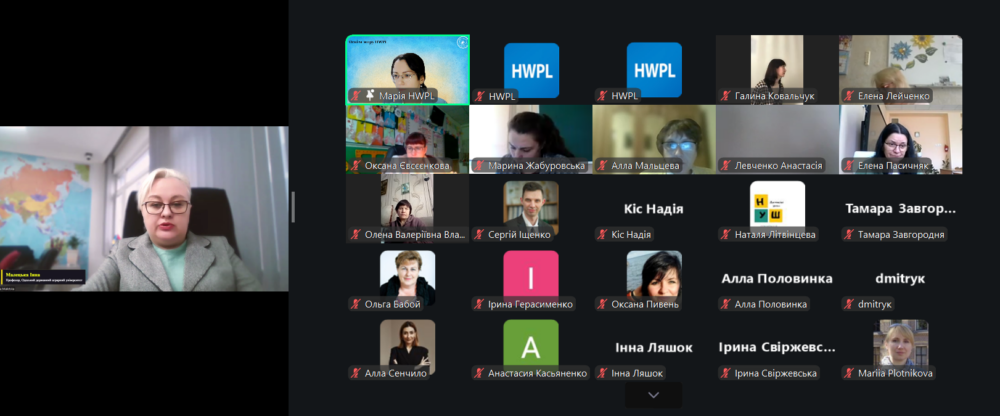
Inna Maletska, professor of the Department of Social Sciences and Humanities, advisor for International and Institutional Development of the Odesa State Agrarian University, stated:
“It is highly significant that this program combines a solid theoretical foundation with practical tools that can be directly applied in the classroom. Peace education is particularly relevant in today’s context, and I strongly recommend its introduction into higher education institutions.
Next year, Odesa State Agrarian University plans to introduce a peace education course for students. I believe this will serve as an important step in developing students’ civic and social competencies.”
Meanwhile, Odesa State Agrarian University is also expected to sign an MOU with HWPL regarding peace education.
“The HWPL Newsletter presents a two-part special feature on the peace education initiatives currently being carried out by HWPL in Ukraine. This issue marks the first installment of the series.”