“Canvas Instead of Gunfire”: Atlanta Paints a Picture of Recovery Through Art
— HWPL Georgia Hosts “City Bleed No More: Revive” Art Exhibition
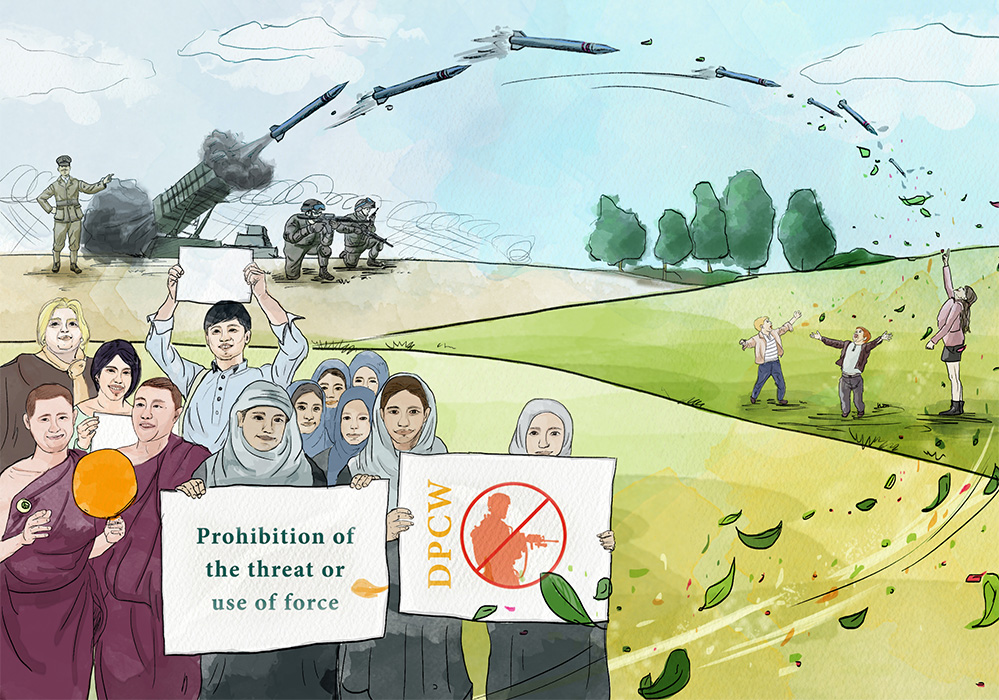
Atlanta, Georgia, has been driving change across local communities through its “Peach State to Peace State” campaign. The initiative, which reimagines Georgia’s identity from the “Peach State” to a “Peace State,” has gained momentum through municipalities adopting resolutions in support of the Declaration of Peace and Cessation of War (DPCW) and is now translating into everyday change in residents’ lives.
Atlanta’s Story, Told Through Canvas
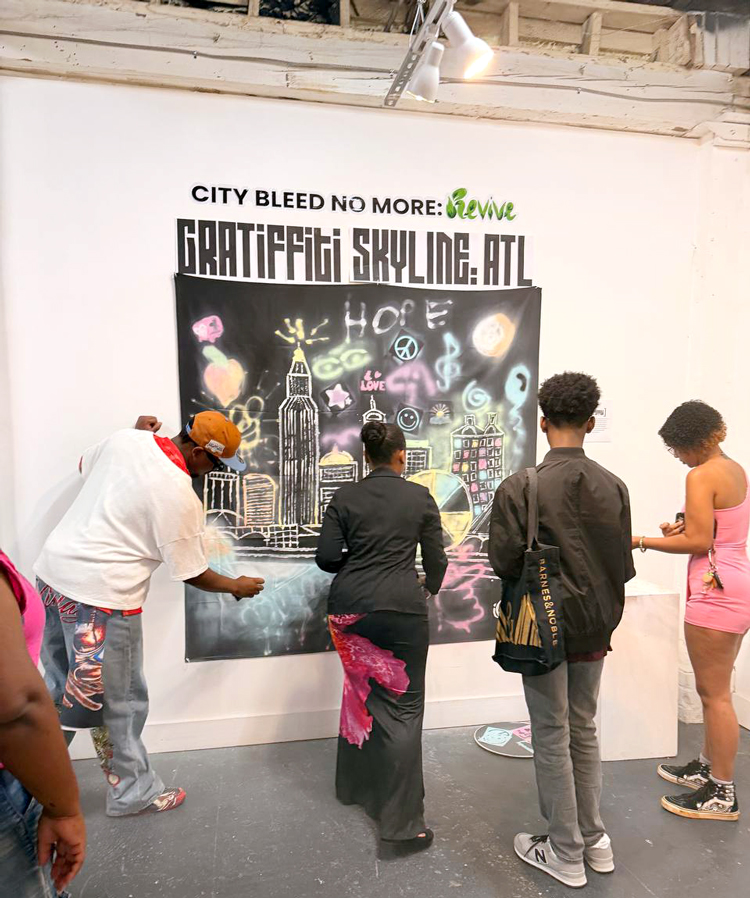
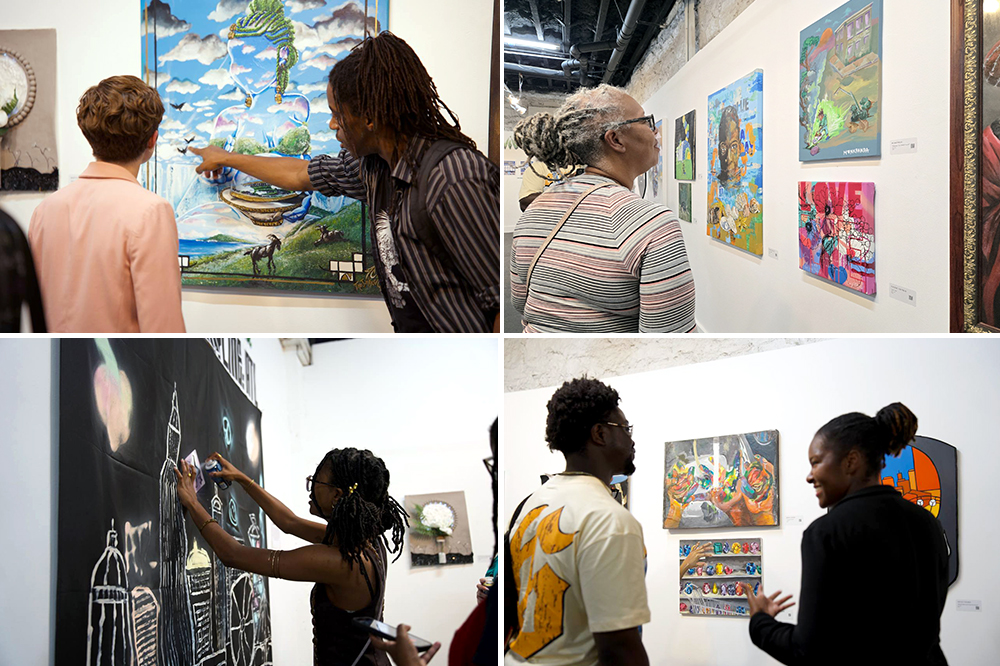
From July 23 to 26, HWPL’s branch in Georgia held the 2nd annual art exhibition “City Bleed No More: Revive” at The Supermarket, a gallery in Atlanta. Through the medium of art, the event brought the organization one step closer to the everyday lives of local residents.
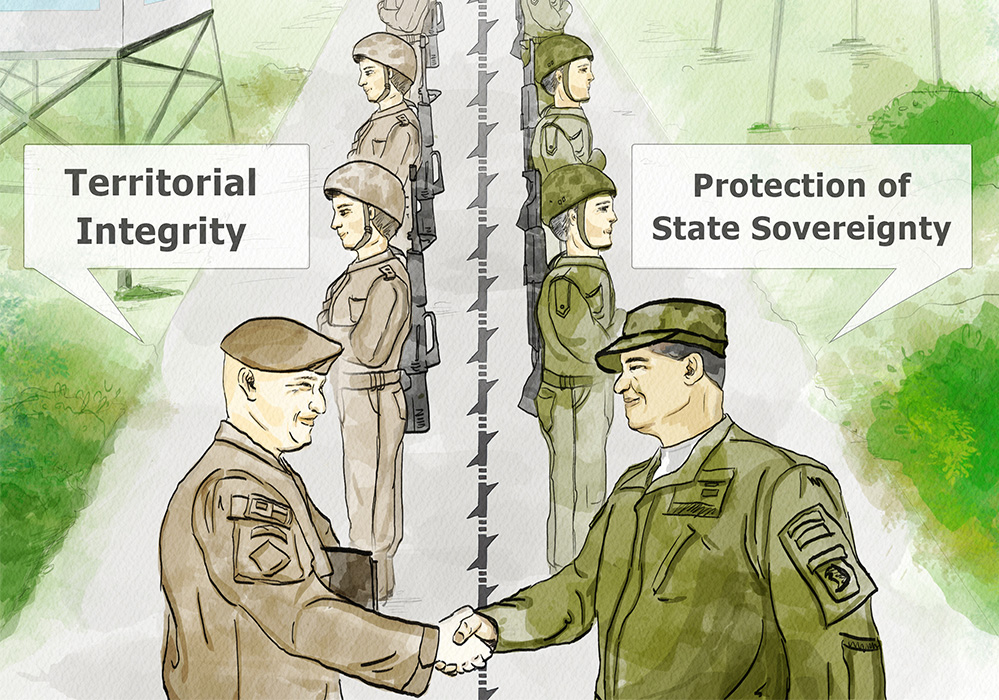
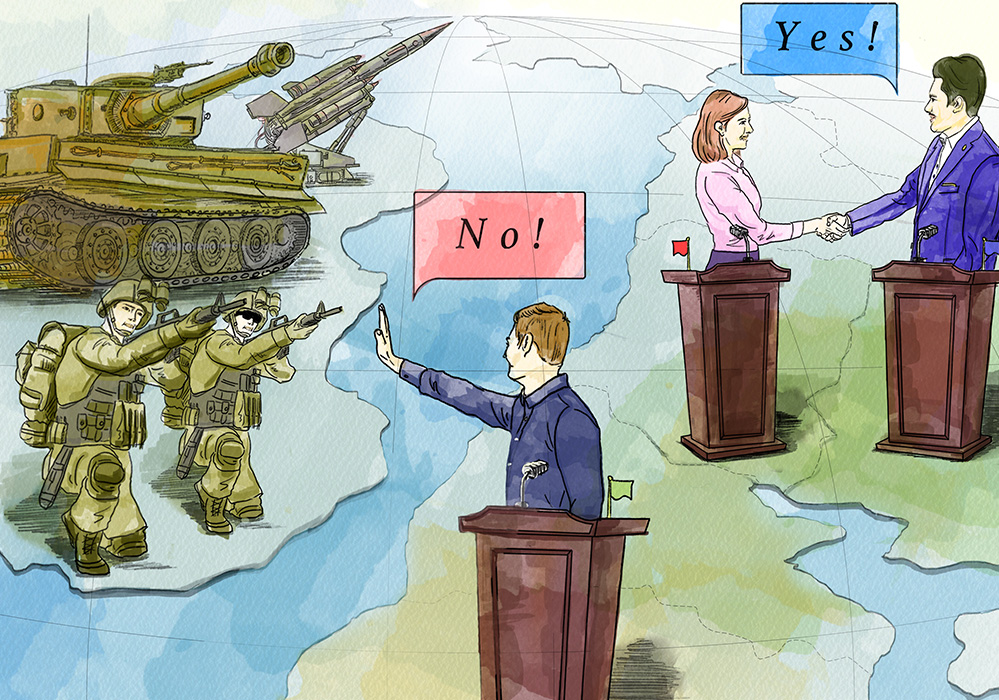
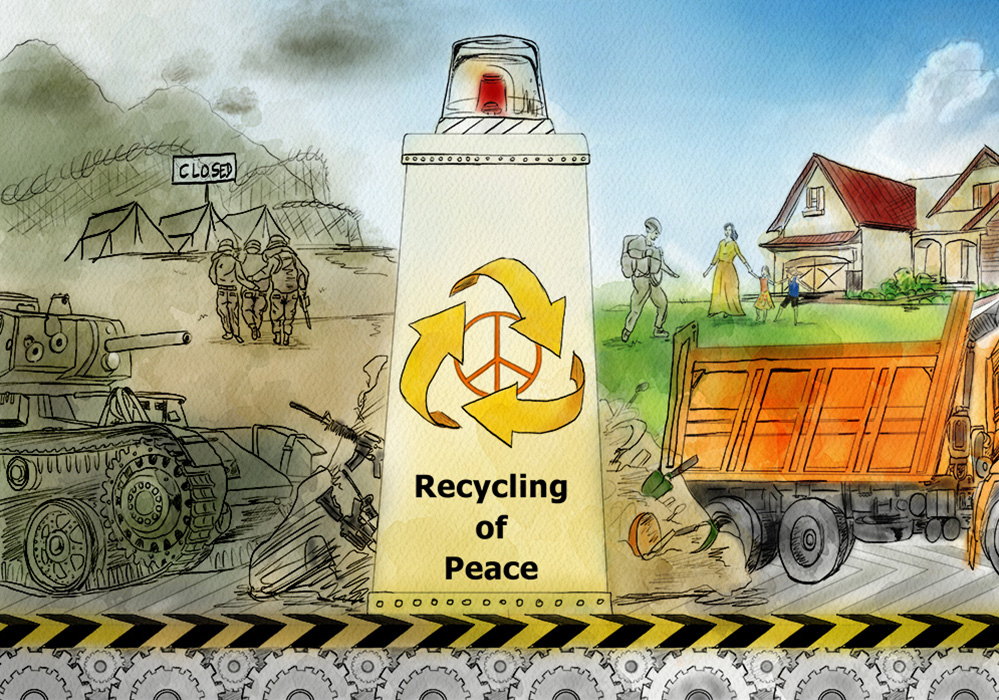
The exhibition featured works by artists exploring both the social challenges facing Atlanta and visions of a peaceful future. At the opening on the 23rd, artists shared the meaning behind their work, alongside an interactive art program in which visitors added spray-paint imagery and messages to a sketch of the city skyline.
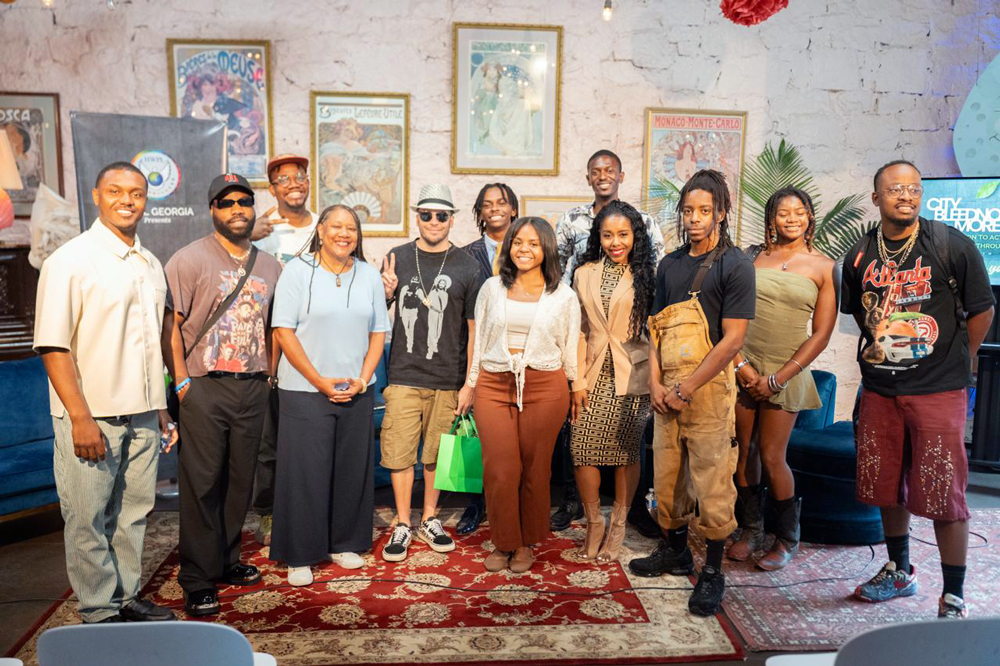
The centerpiece of the exhibition came on Saturday, July 25, with a panel discussion titled, “From Expression to Action: Reviving Community Through Art.” Moderated by Emmy Award-winning journalist Rose Scott of WABE 90.1FM, the panel featured Ryan Adkins, General Director of the HWPL Georgia Branch’s Peace Education Department (who also participated as an artist in the exhibition); Kamille Gilmore, a multidisciplinary artist with the DeKalb County Council for the Arts; Eric Nine, an Atlanta-based muralist; and Sire Washington, a student leader with the Fulton County Youth Commission. Together, they explored how creative expression can drive meaningful change in a community.
The Voices That Painted “Revive”
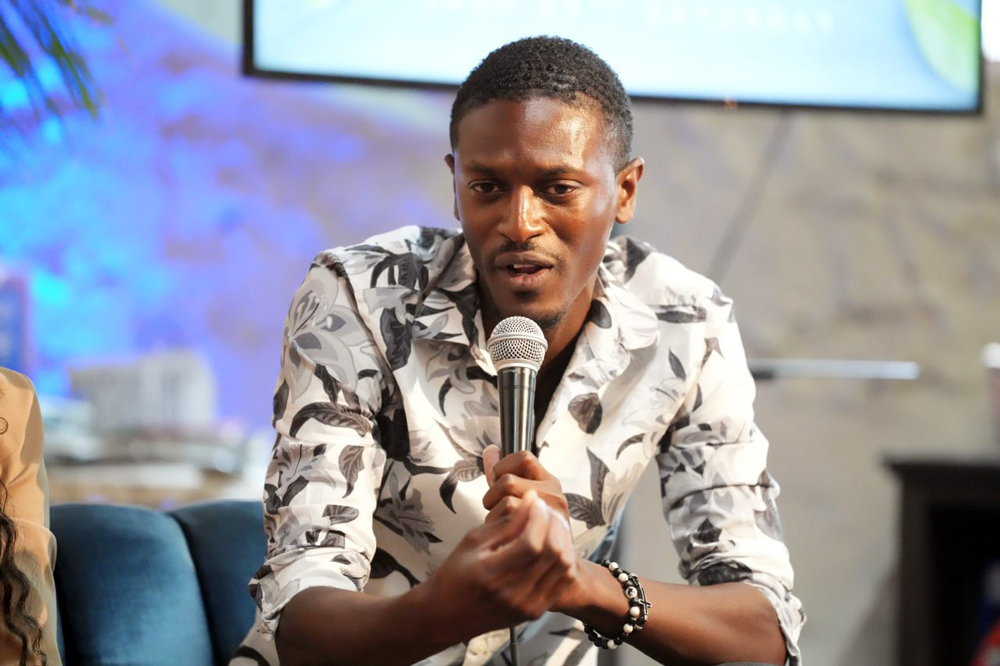
General Director Adkins opened the discussion, addressing the responsibility artists carry in the age of AI. “Art is truly an expression of the human spirit, of the human soul,” he said. “It is the visual representation of a person’s thoughts and emotions, made visible through the hand or whatever tool an artist uses. AI blurs that line a little. And I think that makes it even more important for artists to preserve the human spirit within art.” He went on to reflect on the meaning of collaboration and solidarity: “Someone mixed the paint. Someone curated it. Someone sold it. Someone made the brushes. Even a piece that looks like it was made by one person carries so many hands behind it. It’s the same with this city. Atlanta can’t be revived by one person alone.”
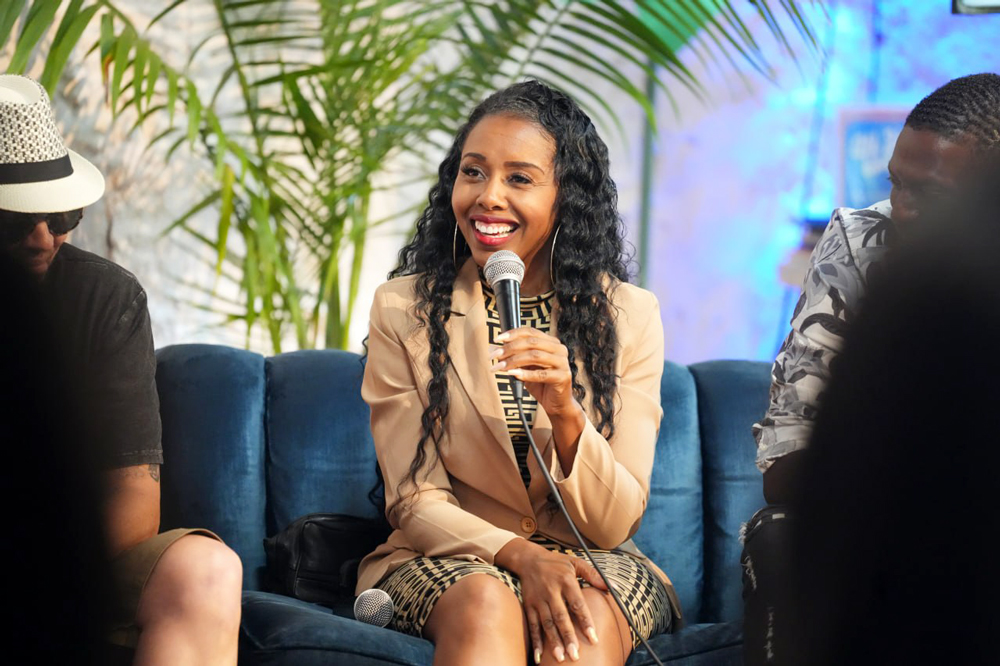
Gilmore then shared the most personal story of the evening, quieting the room. After a drunk-driving accident while she was pregnant, she was told she might never walk again. “I couldn’t use my arm for a while, and I gave birth in a neck-to-shoulder cast,” she recalled. “Then one day I was invited to a roller rink, and a song came on that just picked me back up. That’s what got me into skating, and now I’m a professional roller skater. That song, that art, brought me back to myself.” She emphasized that what the next generation of artists needs most is authenticity.
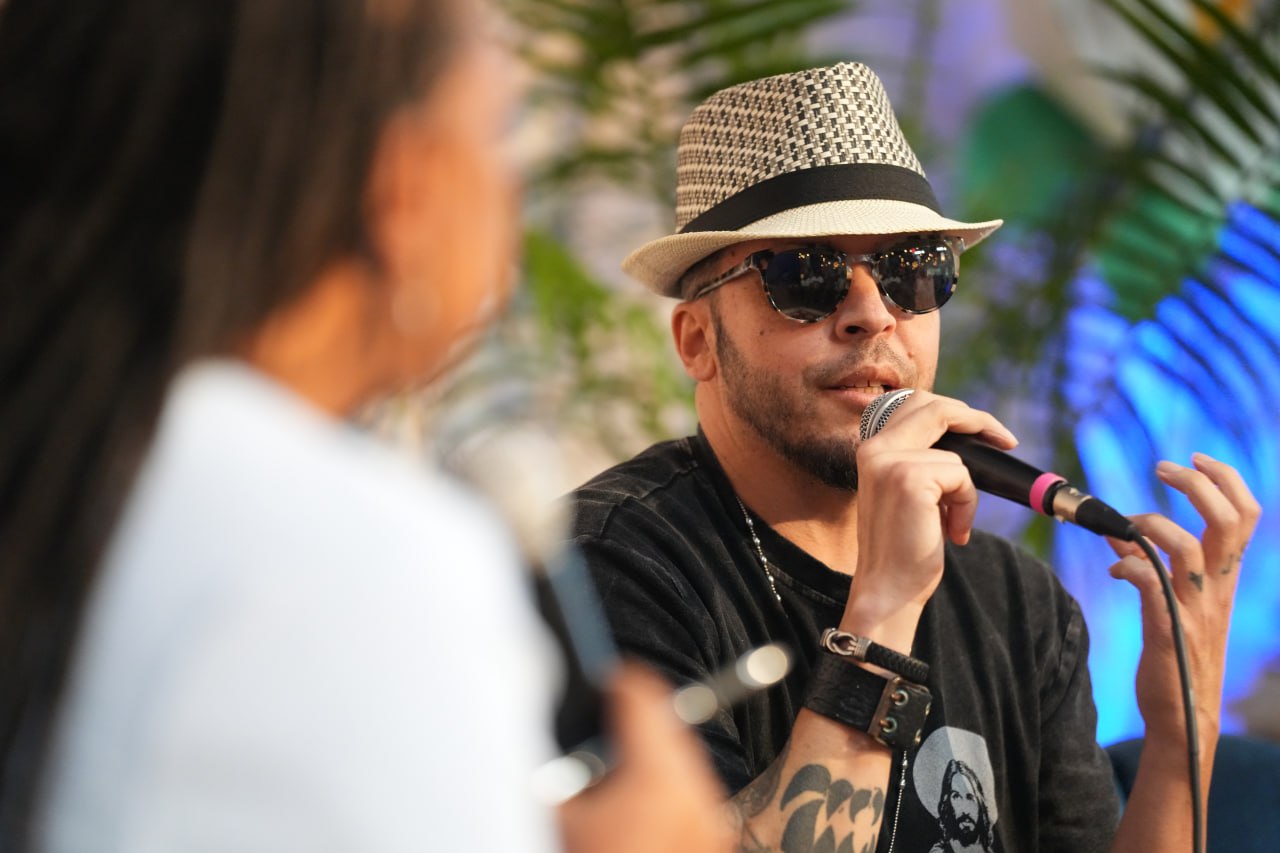
Nine’s story showed even more clearly how one person’s art and actions can influence a whole community. He recounted a 50-foot mural he painted in 2021, into which — departing from the commercial brief — he quietly wove a message about human rights through skin-tone gradients and the shape of a raised fist, waiting a full year before revealing its meaning. “I think more importantly is that the artists need to have freedom to get involved in what movement is true to them,” he said. “What we do is tell a story. So we have the fluidity to make effect more in a thinking way than a preaching way.”
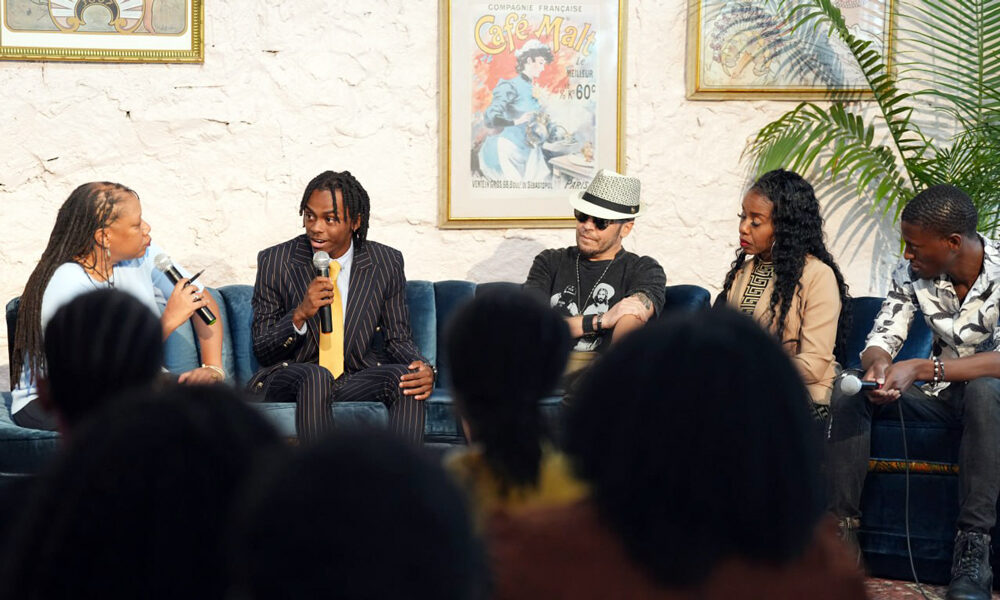
The final speaker, 16-year-old Sire Washington, left the deepest impression of the day. As student body president and a member of the Youth Commission, he calmly recounted how his closest friend had recently been shot at a Midtown train station. “He survived — luckily. He was wearing a crossbody bag that day, and the bullet got stuck inside it. They told us that without it, the bullet would have gone straight through his lung,” Washington said. “He used to be an athlete, a creator. How is he supposed to find the motivation to create art when he can’t even feel safe taking public transportation?” His question — how creative motivation can take root in a city where even public transit doesn’t feel safe — was the heaviest question raised by the exhibition. He called for this reality to become a matter of political concern, urging the community to raise its voice to the city council and mobilize its representatives.
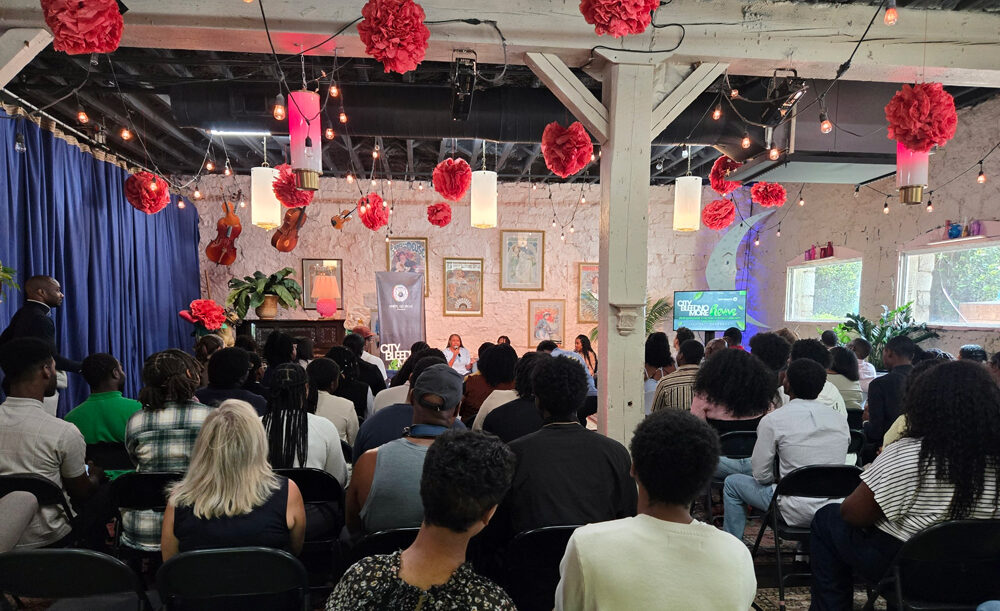
The message of solidarity carried through into the Q&A that followed the panel discussion. Sabrina Kirkland, who runs an intergenerational dialogue program called “Let’s Talk,” put it this way: “If we want every generation to help paint this beautiful picture together, we first have to solve the one thing that keeps us apart — misunderstanding and the lack of real conversation. I believe art is exactly that answer.”
Over four days of exhibition and one day of powerful dialogue, Atlanta’s artists and residents painted recovery and solidarity in place of violence and loss. The shared message left behind was clear: turning Georgia into a “Peace State” will require the participation of the whole community — politicians, religious leaders, educators, and artists alike. HWPL Georgia plans to continue this journey together with the community as they work to end community violence, develop youth leaders of the next generation through peace education, and carry out other initiatives.